


Glaucoma is often associated with increased pressure inside the eye, but the condition is more complex than a single pressure reading. It involves progressive damage to the optic nerve, which carries visual information from the eye to the brain. In many cases, early glaucoma develops without obvious symptoms.
This makes Glaucoma Screening in Baltana particularly relevant for adults who may feel that their eyesight is normal. Central vision can remain useful while gradual peripheral vision changes go unnoticed. By the time a patient becomes aware of substantial visual-field loss, optic nerve damage may already be significant.
Risk can be influenced by factors such as
- Increasing age
- Family history of glaucoma
- Elevated intraocular pressure
- Certain optic nerve characteristics
- Significant refractive errors
- Previous eye injury
- Long-term use of certain medicines
- Selected medical conditions
Screening for glaucoma involves more than asking a patient to read letters from a chart. Visual acuity measures how clearly someone sees centrally, while glaucoma assessment focuses on additional features such as eye pressure, optic nerve appearance, visual field, plus other structural measurements where clinically appropriate.
This distinction explains why a person can read well yet still require glaucoma evaluation.
Eye pressure measurement is useful, but pressure alone cannot provide the complete diagnosis. Some patients with higher pressure may not have established glaucomatous damage. Others can develop optic nerve changes even when measured pressure falls within a commonly observed range.
The ophthalmologist therefore interprets multiple findings together.
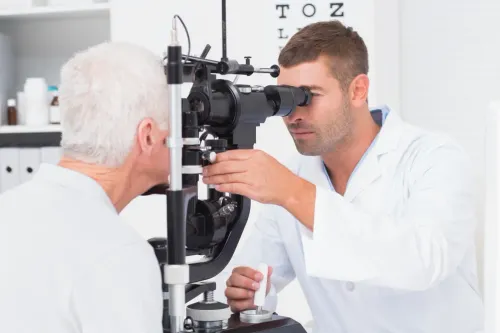
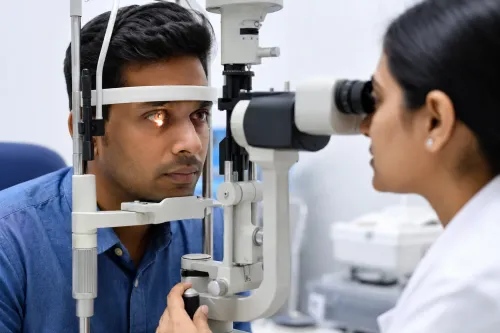
Depending on individual circumstances, assessment may include examination of the optic nerve, measurement of intraocular pressure, visual-field testing, assessment of the drainage angle, corneal measurements, plus imaging of optic nerve structures.
If glaucoma is diagnosed, the objective of treatment is generally to reduce the risk of further optic nerve damage. Existing vision lost through glaucoma is usually difficult to restore, which makes preservation of remaining vision an important goal.
Management may include prescribed eye drops, laser procedures, surgery, plus regular monitoring. The appropriate approach depends on glaucoma type, severity, pressure level, optic nerve findings, visual-field changes, response to previous treatment, plus individual health considerations.
Consistency matters after diagnosis. Eye drops prescribed for pressure control need to be used according to instructions. Patients should not discontinue treatment simply because their eyes feel comfortable. Glaucoma can continue progressing without producing pain.
Follow-up appointments also allow the ophthalmologist to compare results over time. A single test provides a snapshot. Repeated measurements can show whether pressure, optic nerve structure, or visual-field performance remains stable.
Residents of Baltana with a family history of glaucoma, previously elevated eye pressure, suspicious optic nerve findings, or other risk factors can benefit from discussing an appropriate screening schedule during an eye consultation.
Netra Eye Hospital provides glaucoma assessment within its ophthalmic services for patients in Baltana. Evaluation is based on clinical findings rather than symptoms alone.
The most important point is that glaucoma should not be judged by how comfortable the eyes feel. Screening can identify risk before noticeable visual difficulty develops, allowing suitable monitoring plus treatment decisions to be made at an earlier stage.