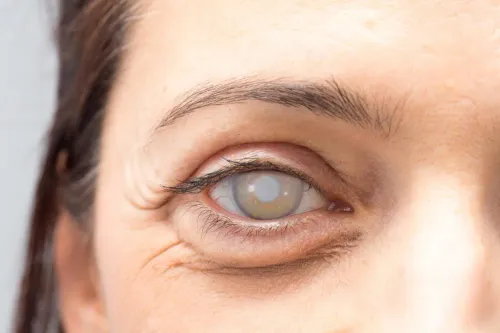



The retina is a light-sensitive layer at the back of the eye that converts visual information into signals transmitted to the brain. Because retinal disease may affect central vision, peripheral vision, fine detail, colour perception, plus visual clarity, changes involving the retina deserve careful assessment.
A Retina Specialist in Peer Muchalla may be consulted when a patient develops symptoms suggesting changes at the back of the eye. Some retinal conditions progress gradually without obvious early discomfort. Others produce sudden symptoms that can be difficult to ignore.
Warning signs can include
- Sudden appearance of multiple floaters
- Flashes of light
- A shadow across part of the visual field
- Distorted straight lines
- Sudden reduction in central vision
- Unexplained blurred vision
- Difficulty recognising fine details
- Changes in vision associated with diabetes
Floaters are small shapes that may appear to drift across vision. Many people notice occasional floaters, particularly with age. A sudden increase, especially when accompanied by flashes or a curtain-like shadow, requires prompt eye assessment because it may indicate a retinal tear, retinal detachment, or another change inside the eye.
Diabetes is another important reason for retinal monitoring. Long-term changes in blood vessels can affect the retina, sometimes before a person notices significant visual symptoms. This makes scheduled retinal examinations particularly relevant for people living with diabetes.
Age-related changes can also affect the macula, the central part of the retina responsible for detailed vision. Patients may notice difficulty reading, distortion of straight lines, reduced central clarity, plus changes when recognising faces. Such symptoms should be evaluated rather than assumed to be part of normal ageing.
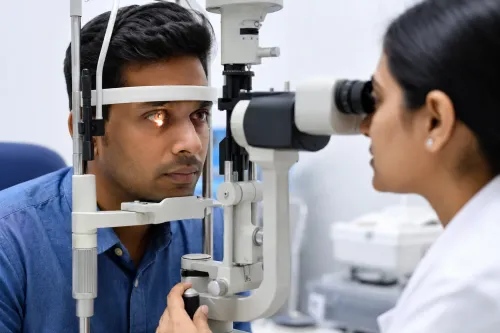
A retinal examination commonly involves dilation of the pupil so the ophthalmologist can inspect structures at the back of the eye. Depending on findings, retinal imaging plus additional diagnostic tests may be recommended. These investigations can help document structural changes, identify swelling, assess the macula, plus monitor disease progression.
Treatment depends completely on the diagnosis. Some retinal findings need observation through scheduled follow-up. Other conditions may require injections, laser procedures, surgery, systemic disease control, or another specialised management approach.
One mistake patients sometimes make is waiting for pain. Many important retinal conditions do not cause eye pain. The absence of discomfort therefore does not necessarily indicate that the retina is healthy.
People with diabetes, significant short-sightedness, previous retinal problems, eye trauma, family history of certain retinal conditions, or previous eye surgery may be advised to undergo retinal evaluation based on individual risk.
For residents of Peer Muchalla, having symptoms assessed close to home can make follow-up more practical, particularly when repeated retinal monitoring is required. Netra Eye Hospital provides retinal evaluation as part of its ophthalmic care services.
The practical approach is simple pay attention to changes in how you see, not only to how your eyes feel. Sudden flashes, new floaters, visual-field shadows, distorted central vision, plus unexplained loss of clarity deserve proper examination. Early assessment gives the ophthalmologist the opportunity to identify the cause plus recommend suitable management before avoidable visual deterioration progresses further.