

The structures surrounding the eyes do much more than enhance facial appearance. The eyelids, eye socket, tear drainage system, and nearby tissues work together to protect the eyes, maintain proper vision, and ensure comfortable blinking and tear distribution. When these structures are affected by trauma, birth defects, tumours, infections, or previous surgeries, they can interfere with both vision and everyday activities. In such situations, reconstructive eye plastic surgery plays an important role in restoring function while preserving the natural appearance of the eyes.
Many people believe reconstructive eye surgery is purely cosmetic. In reality, it is a specialised field of ophthalmology that focuses on repairing damaged or abnormal tissues so the eyes can function properly again. For residents of Dhakoli, understanding when reconstructive eye plastic surgery is recommended can help them seek timely care and improve long-term visual health.
What Is Reconstructive Eye Plastic Surgery?
Reconstructive eye plastic surgery, also known as ophthalmic reconstructive surgery, is performed to repair or rebuild the eyelids, tear drainage system, eye socket, and surrounding tissues when they have been damaged or altered by disease, injury, or congenital abnormalities.
Unlike cosmetic procedures that primarily improve appearance, reconstructive surgery aims to restore essential functions such as protecting the eye, maintaining proper eyelid movement, supporting tear drainage, and preserving vision.
Every treatment plan is customized according to the patient's medical condition, age, and overall eye health.
Conditions That May Require Reconstructive Eye Plastic Surgery
Several medical conditions can affect the tissues around the eye and may benefit from reconstructive procedures.
Eyelid Injuries
Accidents involving cuts, burns, or blunt trauma can damage the eyelids, affecting their ability to close properly and protect the surface of the eye.
Congenital Eyelid Abnormalities
Some children are born with eyelid defects that interfere with vision or normal eye development. Early surgical correction may help support healthy visual growth.
Tumour Removal Reconstruction
After removing benign or malignant growths around the eye, reconstructive surgery helps restore eyelid structure while protecting the eye.
Tear Drainage Disorders
Chronic blockage of the tear ducts can cause excessive watering and recurrent infections. Reconstructive procedures may be recommended when conservative treatment is unsuccessful.
Orbital Trauma
Fractures involving the eye socket may require specialised surgical repair to restore normal eye position and movement.
Symptoms That Should Prompt Medical Evaluation
Many eyelid and orbital conditions progress gradually, while others occur suddenly following an injury.
Consult an eye specialist if you experience:
- Difficulty closing the eyelids completely
- Persistent eyelid deformity after an injury
- Excessive tearing due to blocked tear ducts
- Eyelid defects affecting vision
- Swelling around the eye socket
- Changes in eye position following trauma
- Recurrent infections around the eyelids
- Growths or lesions affecting the eyelid margin
Prompt evaluation helps determine whether reconstructive surgery or another treatment option is most appropriate.
How Specialists Evaluate the Condition
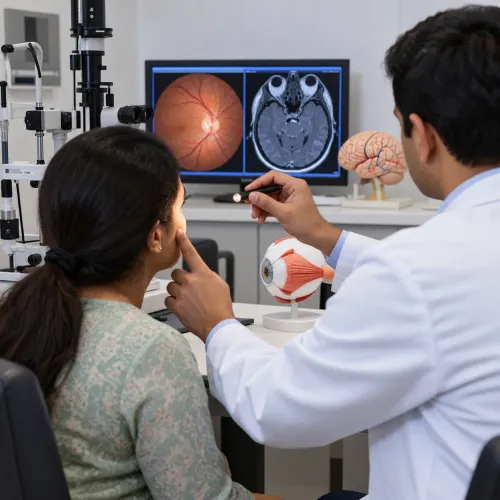
Before recommending surgery, an ophthalmologist performs a comprehensive assessment to understand the extent of tissue damage and its impact on eye function.
The evaluation may include:
- Detailed eye examination
- Vision assessment
- Eyelid movement analysis
- Tear drainage testing
- Eye muscle evaluation
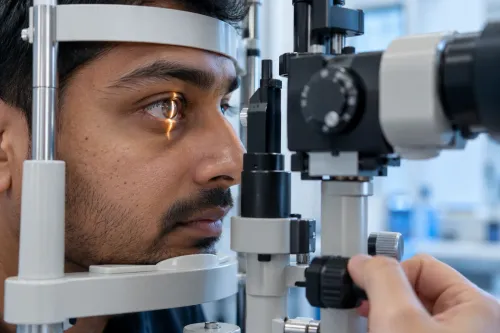
- Slit-lamp examination
- CT scan or MRI imaging for orbital injuries when necessary
These investigations allow precise treatment planning while addressing both functional and structural concerns.
What Happens During Reconstructive Surgery?
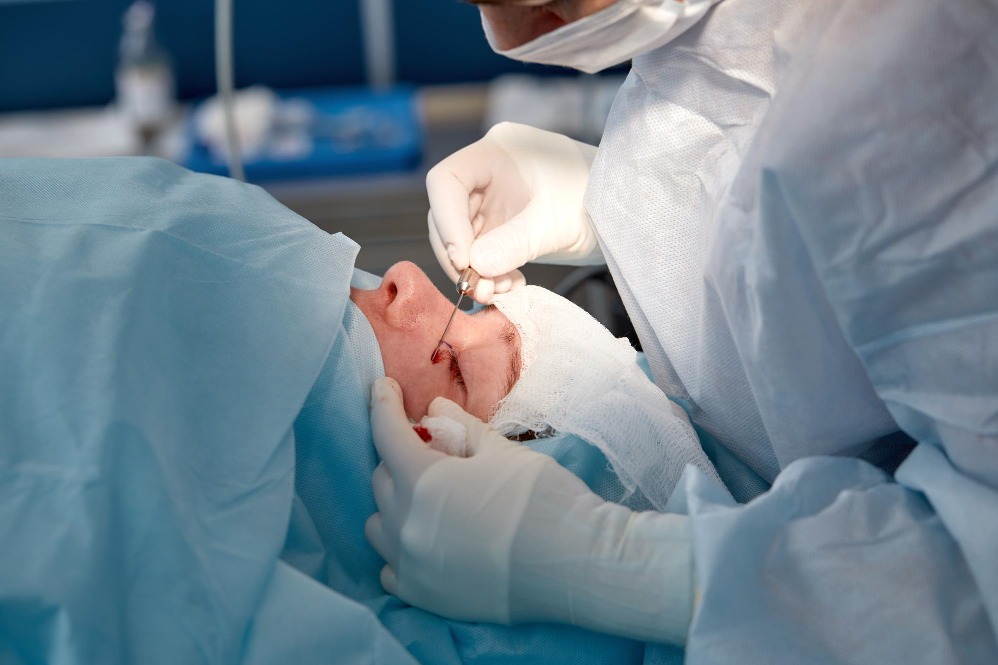
The surgical approach depends entirely on the underlying condition. Procedures may involve repairing damaged eyelids, rebuilding missing tissue, correcting tear drainage pathways, or restoring the position of the eye within the orbit.
Depending on the complexity of the surgery, treatment may be performed as a day-care procedure or require a short hospital stay.
The primary objectives are to:
- Protect the eye from exposure
- Restore comfortable blinking
- Improve tear drainage
- Preserve vision
- Rebuild damaged tissue
- Support natural eyelid function and appearance
Each procedure is carefully planned to achieve the best possible functional outcome.
Recovery and Postoperative Care
Healing varies according to the type of reconstruction performed. Most patients experience temporary swelling, mild bruising, or discomfort during the early recovery period.
Patients are usually advised to:
- Use prescribed medications regularly.
- Keep the surgical area clean and dry.
- Avoid rubbing or putting pressure on the eyes.
- Attend all scheduled follow-up appointments.
- Limit strenuous physical activity during the initial recovery period.
- Report unusual pain, swelling, or vision changes immediately.
Following postoperative instructions supports proper healing and reduces the likelihood of complications.
Questions to Ask Before Surgery
Patients often feel more confident when they understand their treatment plan clearly.
Useful questions include:
- What is the exact cause of my condition?
- Why is reconstructive surgery recommended?
- Are non-surgical treatment options available?
- How long will recovery take?
- Will the procedure improve both function and appearance?
- What follow-up care will be required?
Discussing these questions helps patients develop realistic expectations and actively participate in treatment decisions.
Choosing Specialised Eye Care for Reconstructive Procedures
Reconstructive eye plastic surgery requires expertise in both ophthalmology and delicate facial anatomy. Successful treatment depends on careful diagnosis, precise surgical planning, and comprehensive postoperative care that prioritises eye function alongside aesthetic balance.
For individuals in Dhakoli, specialised ophthalmic care ensures that eyelid, orbital, and tear drainage disorders are managed using evidence-based techniques tailored to each patient's needs.
Netra Eye Hospital provides comprehensive evaluation and reconstructive eye plastic surgery for patients with eyelid injuries, congenital abnormalities, tear drainage disorders, and orbital conditions. Using advanced diagnostic tools and personalised treatment planning, the hospital focuses on restoring normal eye function while protecting long-term vision.
The tissues surrounding the eyes play a vital role in keeping vision clear and the eyes healthy. Seeking timely medical care for injuries, structural abnormalities, or persistent eyelid concerns allows appropriate treatment to begin early, helping patients regain comfort, confidence, and healthy eye function.