


Contact lenses can provide useful vision correction for many people, but successful lens wear depends on much more than choosing a lens power. Lens type, fit, corneal shape, tear quality, wearing schedule, hygiene, plus individual visual requirements all influence comfort plus eye health.
A Contact Lens Clinic in Zirakpur for Low Vision Aids can support patients with different visual needs, including those considering contact lenses plus people who require assistance because ordinary spectacles do not provide sufficient functional vision.
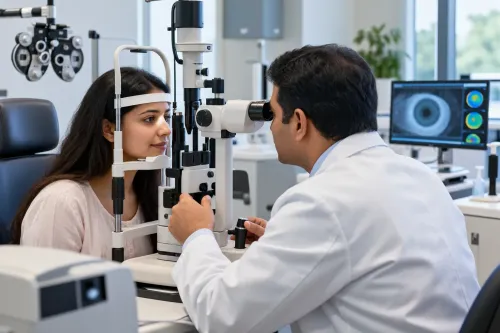
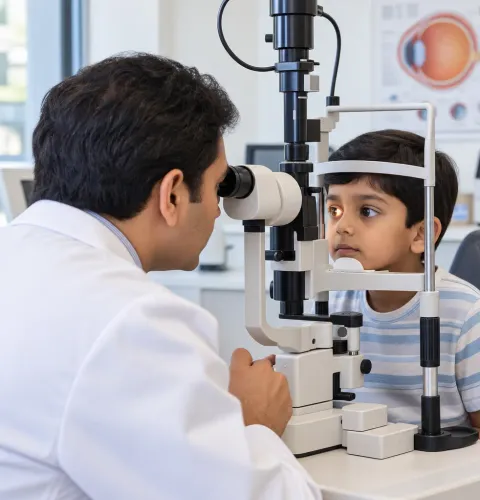
Contact lens fitting begins with assessment rather than product selection. The eye-care professional may review spectacle power, corneal measurements, ocular surface condition, tear-film quality, previous lens experience, plus the intended wearing pattern.
Patients may seek contact lenses for
- Routine refractive correction
- High spectacle powers
- Unequal power between the eyes
- Selected corneal conditions
- Cosmetic convenience
- Sports participation
- Specific visual requirements
A common mistake is purchasing lenses based only on spectacle power. Contact lenses sit directly on the ocular surface, which means fitting characteristics matter. A poorly fitting lens can cause discomfort, unstable vision, redness, plus ocular surface complications.
Hygiene is another essential consideration. Hands should be cleaned before handling lenses. Reusable lenses require proper cleaning plus storage according to professional guidance. Sleeping in lenses not designed for overnight use, exposing lenses to unsafe water, extending replacement schedules, or continuing to wear lenses despite pain can increase risk.
Patients experiencing redness, significant discomfort, discharge, light sensitivity, or sudden blurred vision while using lenses should stop wearing them until the eye has been properly assessed.
Low vision care serves a different need. Low vision describes significant visual difficulty that may remain even after conventional spectacle correction or treatment of the underlying eye condition. The aim is to help a person use remaining vision more effectively for practical activities.
Low vision aids may include optical magnification devices, specialised reading aids, electronic magnification, high-contrast strategies, task-specific lighting solutions, plus other assistive options selected according to the person's functional needs.
A patient who wants to read medicine labels may need a different solution from someone trying to use a smartphone, read books, identify signs, complete household tasks, or perform close occupational work. Functional assessment is therefore central to low vision support.
Families can contribute by identifying the tasks that create the greatest difficulty. Bringing examples such as reading material, device requirements, or descriptions of daily challenges can make the consultation more practical.
Netra Eye Hospital provides contact lens evaluation plus low vision support for patients in Zirakpur. The emphasis should remain on safe lens use plus realistic functional improvement based on individual visual needs.
Patients choosing a contact lens service should look for proper fitting, ocular surface assessment, clear hygiene instructions, plus follow-up guidance. Those seeking low vision aids should expect recommendations based on everyday tasks rather than a single standard device. Both services work best when the solution is matched carefully to the patient's eyes plus daily visual demands.