
Squint occurs when the eyes are not consistently aligned in the same direction. One eye may appear to turn inward, outward, upward, or downward while the other maintains fixation. The condition may be constant, intermittent, noticeable only when tired, or associated with specific viewing situations.
People considering Squint Treatment in Chandigarh may initially focus on the visible appearance of the eyes. Clinical evaluation, however, also considers vision in each eye, binocular function, eye movements, refractive error, plus the underlying reason for the misalignment.
Squint can occur during childhood, although adults can develop eye misalignment as well. The causes plus treatment considerations can differ significantly according to age.
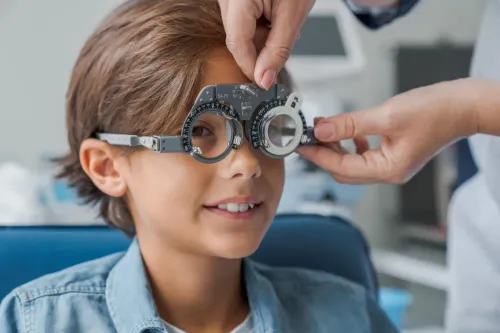
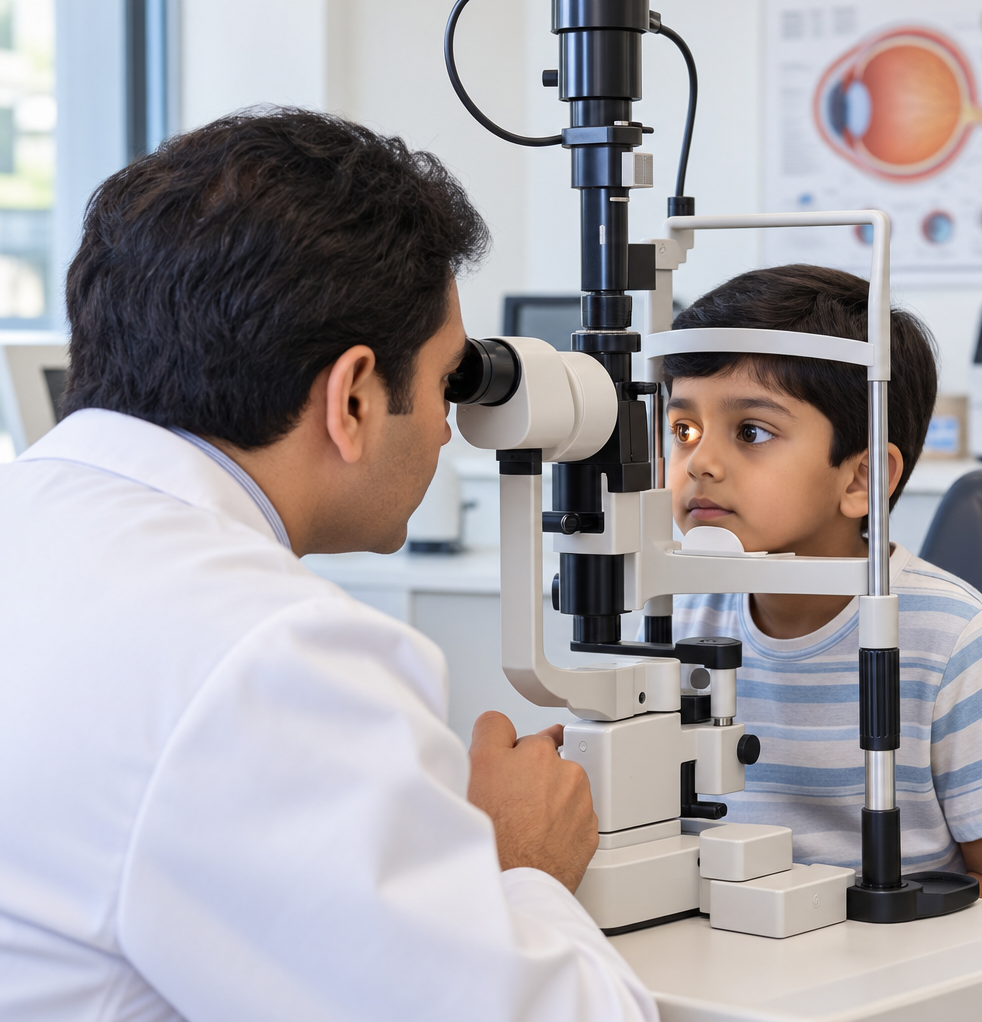
In children, assessment may investigate
- Visual acuity in each eye
- Spectacle power
- Presence of amblyopia
- Direction of eye deviation
- Frequency of deviation
- Eye movement
- Binocular visual function
- General ocular health
Some childhood squints are associated with refractive errors. Appropriate spectacles can therefore form an important part of management for selected patients. If one eye has weaker vision, treatment aimed at improving visual development may also be considered.
Not every patient follows the same treatment pathway. Depending on the diagnosis, management can involve spectacles, amblyopia therapy, prisms in selected circumstances, exercises for particular conditions, injections in specific cases, plus squint surgery.
Squint surgery works by adjusting selected eye muscles to improve alignment. The decision to operate is based on clinical measurements plus the individual nature of the condition. Surgery should not be viewed simply as a cosmetic procedure because eye alignment can have functional implications as well.
Adults with newly developed double vision or sudden eye deviation require careful evaluation. New squint in adulthood can sometimes be associated with nerve problems, thyroid-related eye disease, trauma, previous eye conditions, systemic illness, or other neurological causes. Investigation is therefore guided by the history plus examination findings.
Before choosing treatment, patients should understand what the proposed approach is intended to achieve. Questions worth discussing include the expected improvement in alignment, possible effect on double vision, need for spectacles after treatment, likelihood of additional procedures, plus follow-up requirements.
Children need particular attention because eye alignment problems can affect visual development. Parents should not assume that every visible deviation will disappear naturally with age. An examination can determine whether observation is suitable or active management is needed.
Treatment planning also depends on consistency. An eye may appear straight in photographs yet deviate during tiredness, illness, close work, or distant viewing. Parents can provide useful information about when the deviation becomes most noticeable.
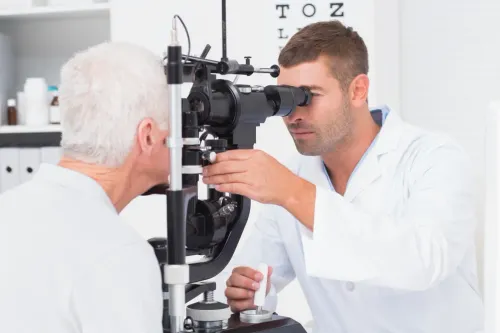
Netra Eye Hospital evaluates patients seeking squint care in Chandigarh through ophthalmic assessment tailored to age plus clinical findings. The goal of evaluation is to understand the pattern of misalignment before selecting a management plan.
If an eye repeatedly turns away from its normal position, a child closes one eye in bright light, an adult develops new double vision, or alignment seems to be changing, a detailed squint examination can clarify the cause plus available treatment options.