

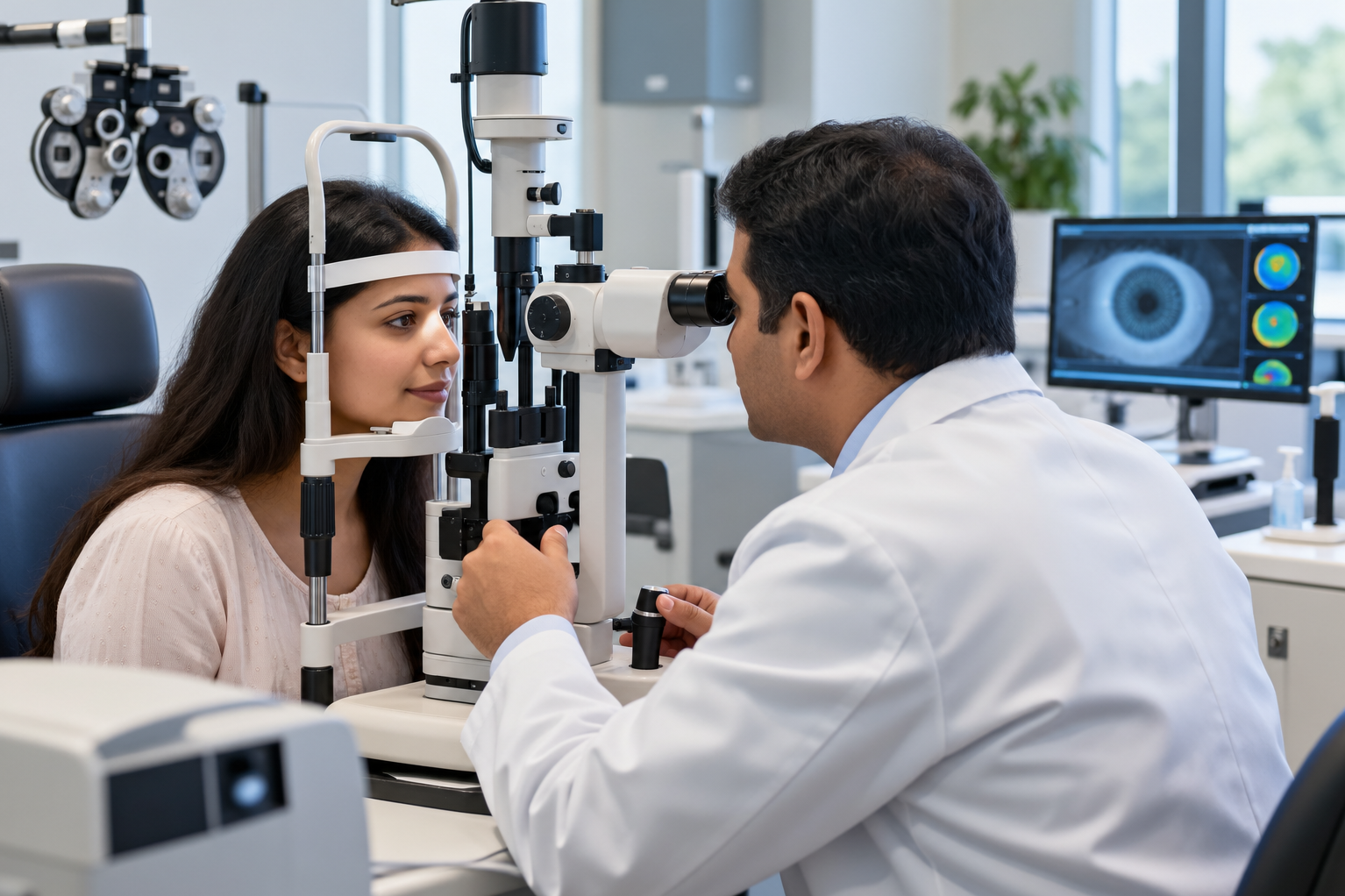
Freedom from regular dependence on spectacles can be appealing, but refractive eye procedures are not selected simply according to personal preference. Suitability depends on detailed measurements plus the overall health of the eye. A proper pre-procedure assessment is therefore one of the most important stages.
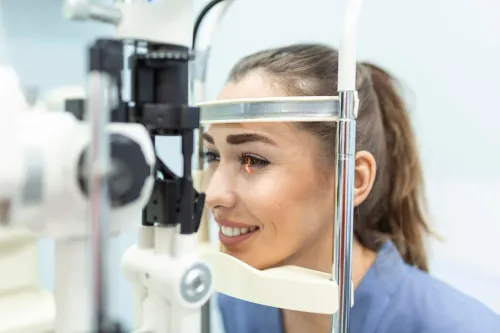
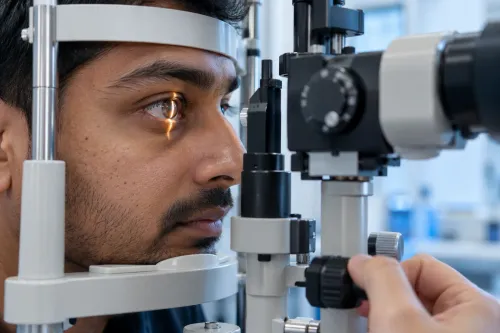
People exploring LASIK Refractive Service in Tricity should expect the evaluation to look beyond their current spectacle number. The ophthalmologist needs to determine whether the cornea plus other ocular structures are suitable for the proposed refractive approach.
Factors commonly considered include
- Age
- Stability of spectacle power
- Corneal thickness
- Corneal shape
- Degree of refractive error
- Tear-film condition
- General eye health
- Previous eye procedures
- Lifestyle requirements
- Certain medical considerations
Stable refractive power is important because a procedure corrects the measured refractive error at a particular stage. If spectacle power is still changing significantly, the long-term predictability of correction may be affected.
Corneal assessment is equally important. LASIK involves reshaping corneal tissue, so measurements of thickness plus curvature help determine suitability. Patients with certain corneal abnormalities may need a different approach or may be advised against corneal laser correction.
Dry-eye assessment also matters. Some patients already experience burning, fluctuating vision, irritation, or screen-related dryness before considering refractive treatment. Identifying plus managing ocular surface issues can form part of pre-procedure planning.
A useful refractive consultation should also explore expectations. The goal is not simply to ask whether someone wants to stop wearing glasses. Daily activities, profession, sports participation, night-driving requirements, screen use, plus visual priorities can influence treatment discussions.
Different refractive procedures may suit different eyes. This is why patients should avoid choosing a technique based solely on advertisements, recommendations from friends, or the procedure someone else received.
Questions to discuss during evaluation include
- Is my spectacle power sufficiently stable?
- Are my corneal measurements suitable?
- Is my ocular surface healthy?
- What visual result is realistic?
- What recovery period should I expect?
- What follow-up schedule is required?
- Could I still need spectacles for certain tasks later?
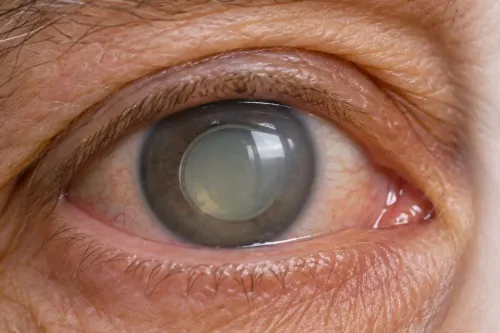
Patients should also understand that refractive correction does not stop natural age-related changes in the eye. Reading vision can change with age, plus unrelated conditions such as cataract may develop later in life.
Post-procedure care is part of the treatment process. Prescribed medication, eye protection, follow-up examinations, restrictions on eye rubbing, plus temporary changes in certain activities may be advised according to the procedure performed.
Netra Eye Hospital provides refractive assessment for patients across the Tricity region who want to understand their suitability for vision-correction procedures.
The best starting point is a comprehensive eligibility assessment rather than deciding on a specific procedure beforehand. Detailed measurements allow the ophthalmologist to explain whether refractive treatment is appropriate, which approach may be considered, plus what visual expectations are reasonable for the individual eye.