


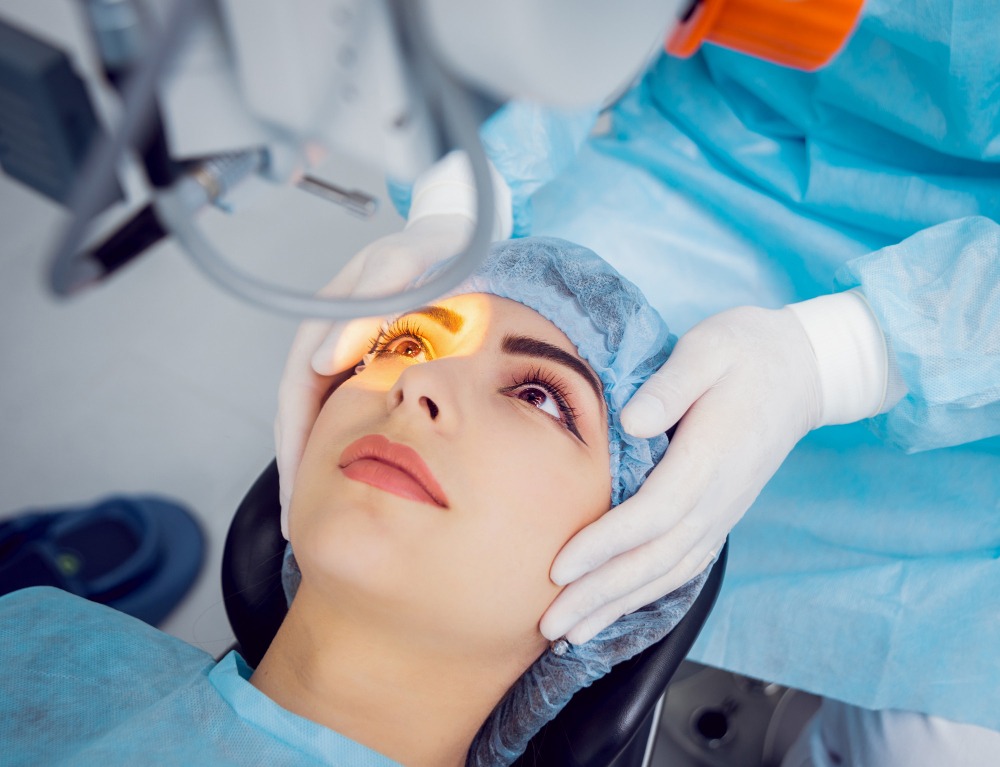
A cataract is one of the most common causes of vision loss, especially among older adults. It develops when the natural lens inside the eye gradually becomes cloudy, making it difficult to see clearly. Everyday activities such as reading, driving, recognising faces, or watching television can become increasingly challenging. While cataracts often develop with age, they may also occur due to diabetes, eye injuries, prolonged steroid use, or certain medical conditions.
Many people in Mohali continue to live with declining vision, believing it is simply a part of aging. However, modern cataract surgery has transformed eye care, offering safer procedures, faster recovery, and improved visual outcomes compared to traditional techniques. Understanding how the surgery works and when it becomes necessary can help patients make confident healthcare decisions.
Understanding Cataracts and Their Progression
The eye's natural lens is normally clear and flexible, allowing light to focus properly on the retina. Over time, proteins within the lens begin to break down and clump together, causing the lens to become cloudy. As the cataract progresses, vision gradually becomes blurred and less sharp.
Some people experience slow changes over several years, while others notice a faster decline in vision. Cataracts do not improve with medication or eye exercises, making surgical removal the only effective treatment once vision begins affecting daily life.
Common Signs That Cataract Surgery May Be Needed
Early cataracts may cause only mild symptoms, but as the condition advances, vision problems become more noticeable.
You should consider an eye examination if you experience:
- Blurred or cloudy vision
- Difficulty seeing at night
- Increased sensitivity to bright lights
- Halos around headlights or streetlights
- Frequent changes in spectacle prescription
- Colours appearing dull or faded
- Double vision in one eye
- Difficulty reading despite wearing glasses
These symptoms can interfere with both personal and professional activities, reducing overall quality of life.
How Modern Cataract Surgery Differs from Older Techniques
Cataract surgery has advanced significantly over the past few decades. Earlier procedures required larger incisions and longer healing periods. Today, modern cataract surgery uses advanced technology that allows surgeons to remove the cloudy lens with greater precision while minimising tissue disruption.
The procedure generally involves replacing the cloudy natural lens with a clear artificial intraocular lens (IOL). The implanted lens remains inside the eye permanently and restores the focusing ability lost due to cataracts.
Modern surgical techniques often result in:
- Smaller surgical incisions
- Faster visual recovery
- Reduced postoperative discomfort
- Greater surgical precision
- Lower risk of complications when performed by experienced specialists
Types of Intraocular Lenses
Selecting the right intraocular lens is an important part of cataract treatment. The choice depends on lifestyle, visual needs, and the overall health of the eye.
Monofocal Lenses
These lenses provide clear vision at one specific distance, usually for far vision. Reading glasses may still be required for near work.
Multifocal / Trifocal Lenses
Designed to improve both near and distance vision, multifocal lenses and trifocal lenses may reduce dependence on spectacles for many daily activities.
Toric Lenses
Patients with astigmatism may benefit from toric lenses, which correct both cataracts and corneal irregularities simultaneously.
During the consultation, the eye specialist evaluates the patient's eye measurements and visual expectations before recommending the most suitable lens option.
What Happens Before Surgery?
A comprehensive eye examination is essential before cataract surgery. This assessment helps determine the severity of the cataract and identifies any additional eye conditions that could influence the treatment plan.
Preoperative evaluation generally includes:
- Vision testing
- Detailed slit-lamp examination
- Retinal evaluation
- Eye pressure measurement
- Corneal assessment
- Biometry to calculate the correct lens power
Patients are also advised about medications, medical history, and postoperative care instructions.
What to Expect During Recovery
Modern cataract surgery is usually performed as a day-care procedure, allowing most patients to return home on the same day. Vision improves the very next day, and patients can resume normal activities from the next day itself.
During recovery, patients are typically advised to:
- Use prescribed eye drops regularly.
- Avoid rubbing the operated eye.
- Wear protective eyewear while sleeping if recommended.
- Keep water, dust, and soap away from the eye during the initial healing period.
- Attend scheduled follow-up appointments.
Following postoperative instructions carefully supports smooth healing and helps achieve the best possible visual outcome.
Frequently Asked Questions About Cataract Surgery
Is cataract surgery painful?
The procedure is generally performed under topical anaesthesia , and most patients experience little to no pain during surgery.
Can cataracts return after surgery?
Once the cloudy lens is removed, the cataract does not return. However, some individuals may develop clouding of the lens capsule later, which can usually be treated with a simple laser procedure.
When should surgery be planned?
There is no fixed stage at which surgery becomes mandatory. The decision depends on how much the cataract affects daily activities, work, driving, or overall quality of life.
Choosing the Right Eye Care Provider
Successful cataract surgery depends not only on advanced technology but also on accurate diagnosis, careful surgical planning, and experienced postoperative care. Patients should look for an eye hospital that offers comprehensive evaluation, modern diagnostic equipment, and personalized treatment recommendations.
Netra Eye Hospital provides modern cataract surgery services for patients in Mohali, combining advanced surgical techniques with detailed preoperative assessment and follow-up care. Every treatment plan is tailored to the individual's visual needs and overall eye health.
Cataracts are a treatable condition, and delaying care unnecessarily can affect independence and daily comfort. If cloudy vision, glare, or difficulty performing routine tasks has become part of everyday life, consulting an ophthalmologist can help determine whether modern cataract surgery is the right next step for clearer and more comfortable vision.