


The cornea is the clear, dome-shaped surface at the front of the eye that helps focus light and provides a protective barrier against dust, germs, and other external elements. Because it plays such an important role in vision, even minor damage or disease affecting the cornea can lead to discomfort, blurred vision, or significant visual impairment. Many people in Chandigarh experience eye irritation for weeks or months before seeking medical advice, often assuming it is caused by allergies or excessive screen time. However, persistent symptoms may indicate an underlying corneal condition that requires professional evaluation.
Understanding the early signs of corneal disorders and knowing when advanced cornea treatment becomes necessary can help preserve vision and improve overall eye health.
What Is Advanced Cornea Treatment?
Advanced cornea treatment refers to specialised diagnostic methods and medical or surgical procedures used to manage diseases and injuries affecting the cornea. Modern ophthalmology offers several treatment options depending on the underlying condition, its severity, and the patient's overall eye health.
Treatment may involve medications, specialised contact lenses, minimally invasive procedures, laser-assisted techniques, or corneal transplantation when required. The primary objective is to restore the clarity and function of the cornea while preventing permanent vision loss.
Common Corneal Conditions That Require Medical Attention
Several eye disorders can affect the cornea, and each requires a different approach to treatment.
Keratoconus
Keratoconus causes the cornea to become thinner and gradually bulge outward into a cone-like shape. This changes how light enters the eye, leading to distorted and blurred vision.
Corneal Infections
Bacterial, viral, fungal, and parasitic infections can damage the cornea if left untreated. Contact lens misuse and eye injuries often increase the risk of infection.
Corneal Ulcers
A corneal ulcer is an open sore that develops due to infection or trauma. Early diagnosis is essential because delayed treatment can result in permanent scarring.
Corneal Dystrophies
These inherited conditions affect different layers of the cornea and may gradually reduce vision over time. Some individuals remain symptom-free for years before noticing visual changes.
Corneal Injuries
Foreign particles, chemical exposure, and accidental trauma can damage the corneal surface and require immediate medical evaluation.
Symptoms That Should Never Be Ignored
Many corneal diseases begin with mild discomfort before progressing to more serious complications. Scheduling an eye examination becomes important if you experience:
- Blurred or distorted vision
- Persistent redness
- Eye pain or discomfort
- Increased sensitivity to light
- Excessive tearing
- Feeling that something is stuck in the eye
- Difficulty wearing contact lenses
- White or cloudy spots on the cornea
- Frequent changes in vision
Ignoring these symptoms can allow the condition to worsen and make treatment more complex.
How Specialists Diagnose Corneal Disorders
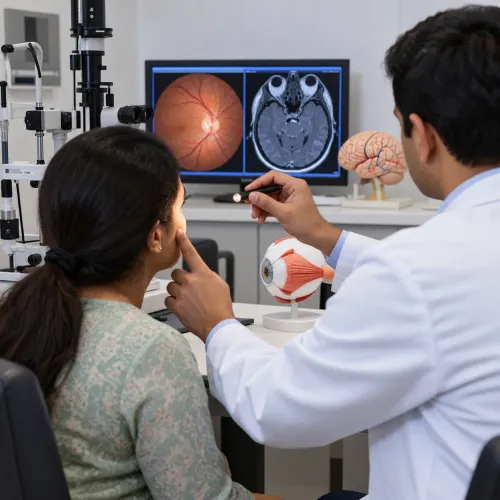
Accurate diagnosis forms the foundation of effective treatment. Eye specialists use advanced imaging technologies to evaluate the structure and health of the cornea.
Common diagnostic methods include:
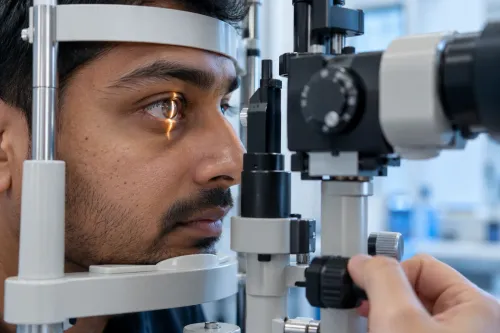
- Slit-lamp examination
- Corneal topography
- Pachymetry for corneal thickness measurement
- Optical Coherence Tomography (OCT)
- Tear film assessment
- Corneal staining tests
- Microbiological testing for suspected infections
These investigations help determine the exact cause of symptoms and guide personalised treatment planning.
Modern Treatment Options Available
Treatment recommendations depend entirely on the underlying diagnosis.
Medical Management
Many early-stage corneal disorders respond well to prescription eye drops, lubricants, antibiotics, antiviral medications, or anti-inflammatory treatment.
Corneal Cross-Linking
For patients diagnosed with progressive keratoconus, corneal collagen cross-linking helps strengthen the corneal tissue and slow disease progression.
Specialised Contact Lenses
Rigid gas permeable lenses, scleral lenses, and hybrid lenses may improve vision in individuals with irregular corneal surfaces.
Laser-Based Procedures
Certain corneal surface disorders can be treated using precise laser techniques that improve vision while preserving healthy tissue.
Corneal Transplant Surgery
When extensive scarring or severe disease affects vision, partial or full-thickness corneal transplantation may be recommended. Modern surgical techniques have improved recovery and long-term outcomes for many patients.
Protecting Your Corneal Health
Although not every corneal disease can be prevented, healthy habits significantly reduce the risk of complications.
Some practical preventive measures include:
- Never sleep while wearing contact lenses unless advised by your doctor.
- Maintain proper contact lens hygiene.
- Wear protective eyewear during sports and industrial work.
- Avoid rubbing your eyes excessively.
- Manage diabetes and other chronic health conditions effectively.
- Seek immediate care after any eye injury.
- Attend regular eye examinations even if your vision appears normal.
Preventive care is especially important for individuals with a family history of corneal disorders.
Why Early Diagnosis Makes a Difference
Many corneal diseases progress gradually, and early treatment often leads to better outcomes. Conditions such as keratoconus or corneal infections may initially cause only mild visual disturbances, yet timely intervention can prevent irreversible damage.
People living in Chandigarh who notice persistent changes in vision should not rely solely on over-the-counter eye drops or home remedies. A detailed eye examination can identify the underlying cause before the condition advances.
Netra Eye Hospital provides comprehensive evaluation for corneal disorders using modern diagnostic equipment and evidence-based treatment approaches. Patients receive personalised care based on their specific condition, helping them make informed decisions about their eye health.
Protecting your vision begins with recognising the warning signs early. If symptoms such as blurred vision, eye pain, persistent redness, or sensitivity to light continue despite routine care, consulting an experienced eye specialist is an important step toward maintaining healthy eyesight for years to come.