


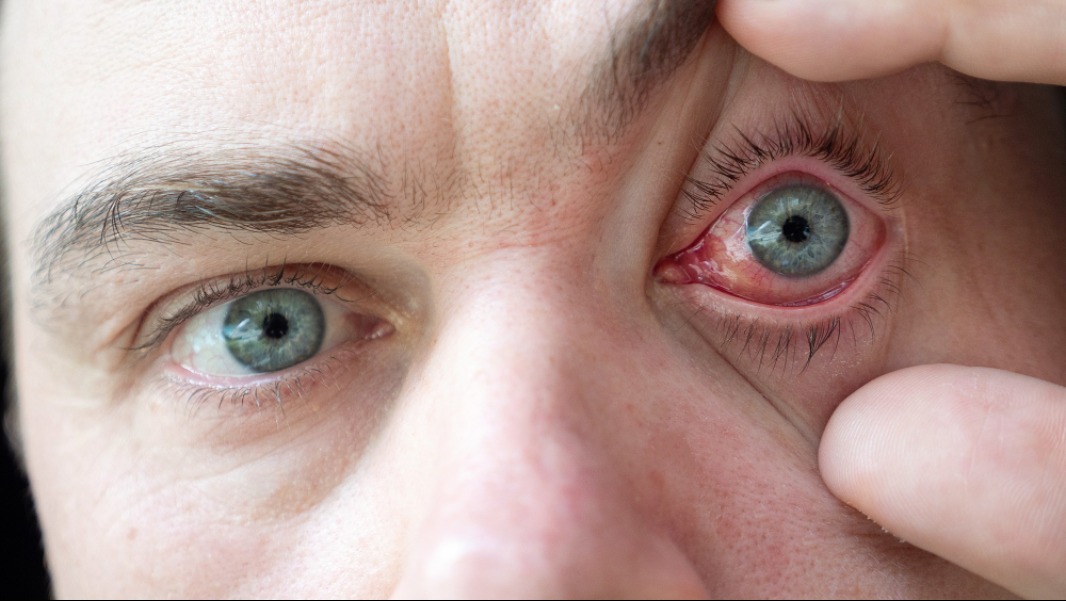
Many people experience occasional eye irritation after spending long hours in front of a computer or being exposed to dust and pollution. While temporary discomfort usually improves with rest, persistent dryness, burning, or blurred vision may indicate an underlying eye condition that requires medical attention. Dry eye syndrome and corneal disorders are among the most common reasons people seek ophthalmic care, yet they are often mistaken for minor irritation that can be managed with over-the-counter eye drops alone.
For residents of Dhakoli, understanding the difference between occasional eye strain and a chronic eye condition can help prevent complications and improve long-term eye comfort. A proper diagnosis is essential because dry eye disease and corneal disorders often have different causes and require different treatment approaches.
Why Do Eyes Become Dry?
Healthy eyes continuously produce tears that lubricate the surface of the eye, wash away dust particles, and protect against infections. Dry eye develops when the eyes do not produce enough tears or when the tears evaporate too quickly.
Several factors can contribute to dry eye syndrome, including:
- Prolonged screen use
- Age-related changes
- Hormonal changes
- Air-conditioned environments
- Certain medications
- Contact lens use
- Autoimmune disorders
- Previous eye surgery
Although dry eye is common, persistent symptoms should not be ignored because chronic dryness can affect the cornea and reduce visual quality.
Understanding Corneal Disorders
The cornea is the transparent outer layer of the eye responsible for focusing light and protecting the inner structures of the eye. When the cornea becomes damaged or diseased, vision may become blurred, and discomfort can increase significantly.
Some common corneal disorders include:
Corneal Abrasions
A scratch on the corneal surface caused by injury, foreign particles, or improper contact lens use can result in pain, redness, and excessive tearing.
Corneal Infections
Bacterial, viral, fungal, or parasitic infections may affect the cornea and require prompt medical treatment to prevent permanent vision loss.
Keratitis
Inflammation of the cornea may develop due to infections, dry eye disease, injury, or prolonged contact lens wear.
Keratoconus
This progressive condition causes thinning and bulging of the cornea, leading to distorted vision that cannot always be corrected with regular glasses.
Symptoms That Should Prompt an Eye Examination
Dry eye syndrome and corneal disorders often share similar symptoms, making professional evaluation important.
You should schedule an eye examination if you notice:
- Persistent dryness or irritation
- Burning or stinging sensation
- Redness that does not improve
- Blurred or fluctuating vision
- Excessive watering despite feeling dry
- Sensitivity to light
- Feeling as though something is stuck in the eye
- Pain while wearing contact lenses
- Frequent eye fatigue
Ignoring these symptoms may allow the condition to worsen and increase the risk of complications.
How Eye Specialists Identify the Underlying Cause
Because many eye conditions produce similar symptoms, a detailed examination helps determine whether the problem involves tear production, the corneal surface, eyelid function, or another underlying disorder.
An eye specialist may perform:
- Slit-lamp examination
- Tear film evaluation
- Tear production tests
- Corneal staining
- Corneal topography when required
- Measurement of tear evaporation
- Assessment of eyelid function and blinking patterns
These investigations help create a treatment plan tailored to the patient's specific condition rather than simply relieving symptoms temporarily.
Treatment Options for Dry Eye and Corneal Disorders
Treatment depends on the severity of the condition and its underlying cause.
Lubricating Eye Drops
Artificial tears help relieve mild to moderate dry eye symptoms by improving moisture on the eye's surface.
Prescription Medications
Some patients benefit from anti-inflammatory medications or specialised eye drops that improve natural tear production.
Lifestyle Modifications
Simple adjustments often reduce symptoms significantly, including limiting screen time without breaks, increasing humidity indoors, and staying well hydrated.
Contact Lens Management
People who wear contact lenses may require changes in lens type, wearing schedule, or cleaning methods to protect corneal health.
Advanced Corneal Treatments
Patients with infections, keratitis, keratoconus, or significant corneal damage may require specialised medical treatment, corneal cross-linking, laser procedures, or surgery depending on the diagnosis.
Everyday Habits That Support Healthy Eyes
Good daily habits can reduce the risk of both dry eye syndrome and corneal complications.
Some practical recommendations include:
- Follow the 20-20-20 rule during prolonged screen use.
- Blink regularly while using computers or smartphones.
- Avoid rubbing your eyes frequently.
- Maintain proper contact lens hygiene.
- Wear protective eyewear in dusty or windy environments.
- Drink adequate water throughout the day.
- Schedule routine eye examinations if symptoms persist.
These measures support tear film stability and help maintain a healthy corneal surface.
Why Accurate Diagnosis Matters
Many people self-medicate with lubricating eye drops for months without understanding the actual reason behind their symptoms. While artificial tears may provide temporary relief, they cannot treat infections, corneal disease, or structural abnormalities. Delaying professional evaluation may allow these conditions to progress and affect vision.
Residents of Dhakoli experiencing ongoing eye discomfort should seek comprehensive assessment rather than relying solely on home remedies or pharmacy products. Identifying the root cause early allows treatment to begin before significant corneal damage occurs.
Netra Eye Hospital provides comprehensive evaluation and treatment for dry eye syndrome and corneal disorders using advanced diagnostic technology and evidence-based treatment plans. Every patient receives personalised care based on the underlying cause of their symptoms, ensuring that treatment focuses on both immediate relief and long-term eye health.
Healthy eyes contribute to comfortable vision, better productivity, and improved quality of life. Recognising persistent symptoms early and seeking expert care can help protect the cornea, preserve vision, and prevent avoidable complications in the future.