
Children rely on healthy vision for almost every aspect of their development, from recognising faces and learning to read to participating in sports and exploring the world around them. Unlike adults, however, children often cannot explain that something is wrong with their eyesight. They may assume everyone sees the way they do or adapt to poor vision without complaining. As a result, many childhood eye problems remain undetected until they begin affecting school performance, confidence, or daily activities.
For parents in Baltana, understanding the importance of pediatric eye care services can help identify vision problems early and support healthy visual development. Routine eye examinations are not only for children who wear glasses. They are an essential part of preventive healthcare, helping detect conditions that may not be obvious at home or in the classroom.
Why Children's Eye Health Deserves Special Attention
A child's visual system continues to develop during the early years of life. Clear vision is closely connected to learning, coordination, communication, and overall cognitive development. If an eye condition is left untreated during this critical period, it may lead to long-term vision problems that become more difficult to correct later.
Unlike a basic vision screening conducted at school, a comprehensive pediatric eye examination evaluates the overall health of the eyes, visual development, eye alignment, focusing ability, and the presence of any underlying eye disease.
Early diagnosis allows many childhood eye conditions to be managed effectively before they interfere with learning or daily life.
Signs That Your Child May Need an Eye Check-Up
Children do not always complain about blurry vision, so parents should watch for behavioural and physical signs that may indicate an eye problem.
Consider scheduling an eye examination if your child:
- Frequently rubs their eyes
- Squints while watching television or reading
- Holds books or digital devices very close
- Complains of headaches after school
- Has watery or red eyes regularly
- Tilts their head while focusing on objects
- Covers one eye when reading
- Struggles with hand-eye coordination
- Has difficulty concentrating during visual tasks
- Shows declining academic performance without another obvious reason
These symptoms do not always indicate a serious eye condition, but they should never be ignored.
Common Eye Conditions in Children
Several vision problems can affect children at different stages of growth.
Refractive Errors
Myopia (short-sightedness), hyperopia (long-sightedness), and astigmatism are among the most common causes of blurred vision in children. Corrective glasses often provide significant improvement when prescribed at the right time.
Amblyopia (Lazy Eye)
Amblyopia develops when one eye does not develop normal vision during childhood. Early treatment offers the best chance of improving visual function.
Squint (Strabismus)
A squint occurs when the eyes do not align properly. Early diagnosis is important because untreated squint may lead to reduced vision in one eye.
Allergic Eye Conditions
Children frequently experience eye allergies due to dust, pollen, or environmental irritants. Persistent itching, redness, and watering should be evaluated by an eye specialist.
Congenital Eye Disorders
Some children are born with eye conditions such as congenital cataracts or glaucoma. Prompt diagnosis and treatment are essential to support normal visual development.
When Should Children Have Their First Eye Examination?
Many parents wait until their child reports difficulty seeing the classroom board. However, eye examinations should begin much earlier.
General recommendations include:
- During infancy if there is a family history of eye disease or visible eye abnormalities
- Before starting school
- Every one to two years during school-age, or as advised by an ophthalmologist
- Immediately if any unusual symptoms or visual concerns develop
Children with diabetes, premature birth, developmental delays, or previous eye injuries may require more frequent evaluations.
What Happens During a Pediatric Eye Examination?
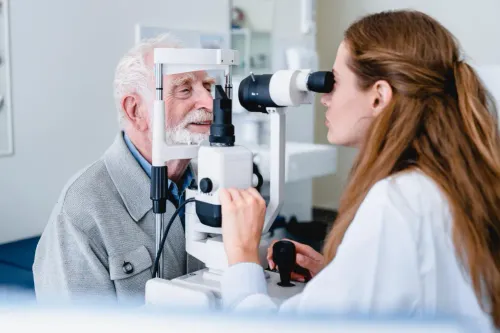
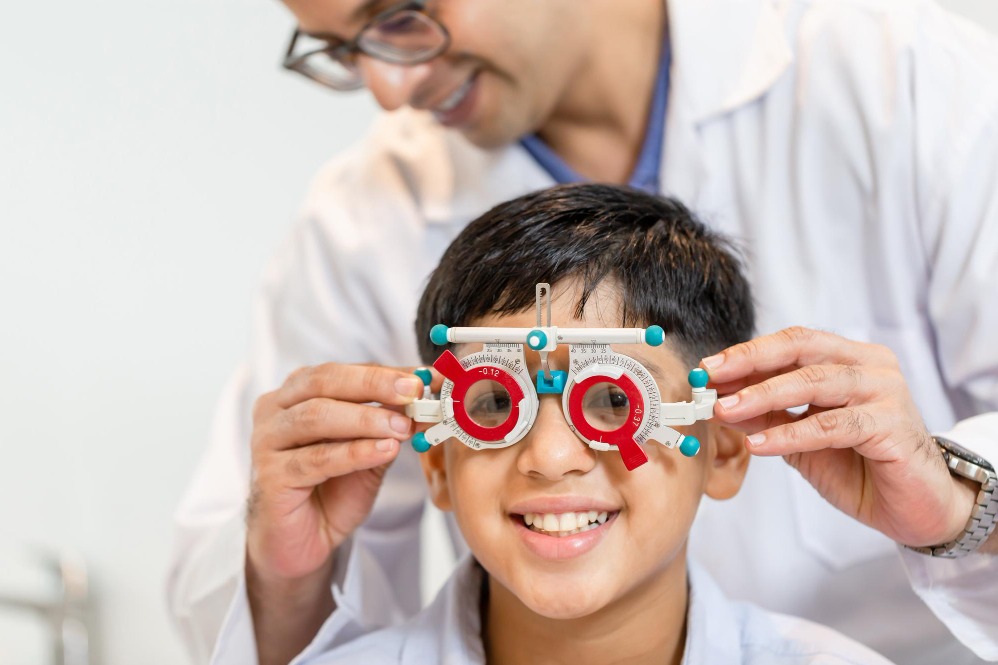
A pediatric eye examination is designed to be child-friendly and age-appropriate. The specialist uses different methods depending on the child's age and ability to cooperate.
The assessment may include:
- Visual acuity testing
- Eye alignment evaluation
- Colour vision assessment when appropriate
- Refraction to determine spectacle power
- Eye movement testing
- Examination of the retina and optic nerve
- Overall eye health assessment
Parents are encouraged to discuss any concerns about their child's learning, behaviour, or vision during the consultation.
Supporting Healthy Vision at Home
Good eye care extends beyond regular hospital visits. Parents can encourage healthy visual habits through simple daily practices.
Helpful steps include:
- Limit prolonged recreational screen time and encourage regular breaks.
- Ensure children read in adequate lighting.
- Promote outdoor play, which supports healthy visual development.
- Provide a balanced diet rich in fruits, vegetables, and nutrients that support eye health.
- Encourage children to wear protective eyewear during sports when appropriate.
- Schedule regular eye examinations even if no symptoms are present.
These habits help maintain healthy eyes while supporting overall physical and cognitive development.
Why Early Eye Care Benefits Children
Many childhood eye conditions respond well to treatment when diagnosed early. Delaying evaluation may allow vision problems to affect learning, confidence, and social development during important growing years.
Families in Baltana have access to specialised pediatric eye care that focuses on both vision correction and long-term eye health. Early intervention often reduces the likelihood of complications and supports better educational and developmental outcomes.
Netra Eye Hospital offers pediatric eye care services tailored to children of different age groups. Using child-friendly examination techniques and comprehensive assessments, the hospital helps identify vision problems early and recommends appropriate treatment based on each child's individual needs.
Healthy eyesight plays a crucial role in every stage of childhood. Regular eye examinations, timely diagnosis, and appropriate care help children develop the visual skills they need for learning, play, and everyday life, giving parents greater confidence that their child's eye health is on the right path.