

Glaucoma is often called the silent thief of sight because it can gradually damage the optic nerve without causing noticeable symptoms in its early stages. Many people continue with their daily routines, unaware that permanent vision loss is developing. By the time vision changes become obvious, the damage is often irreversible. This is why glaucoma screening is one of the most important preventive eye care services, especially for adults over 40 and individuals with certain risk factors.
For residents of Peer Muchalla, regular eye examinations play a vital role in identifying glaucoma before it affects everyday life. Early diagnosis, combined with appropriate treatment and ongoing monitoring, can help preserve vision and reduce the risk of severe visual impairment.
What Is Glaucoma?
Glaucoma is a group of eye conditions that damage the optic nerve, which carries visual information from the eye to the brain. In many cases, this damage is linked to increased pressure inside the eye, known as intraocular pressure. However, glaucoma can also occur in people with normal eye pressure, making comprehensive eye examinations essential.
Unlike common vision problems that can often be corrected with glasses, glaucoma-related vision loss cannot be reversed. Treatment focuses on slowing or preventing further damage.
Types of Glaucoma
Different forms of glaucoma require different approaches to diagnosis and treatment.
Primary Open-Angle Glaucoma
This is the most common type of glaucoma. It develops slowly over several years and usually has no early warning signs. Peripheral vision is often affected first, making it difficult to notice until the disease has advanced.
Angle-Closure Glaucoma
This form develops when the drainage angle inside the eye becomes blocked, causing a rapid rise in eye pressure. It is a medical emergency that requires immediate treatment.
Symptoms may include:
- Severe eye pain
- Sudden blurred vision
- Headache
- Nausea or vomiting
- Halos around lights
- Eye redness
Normal-Tension Glaucoma
Some people develop optic nerve damage despite having normal eye pressure. Regular optic nerve evaluation helps identify this less common form of glaucoma.
Secondary Glaucoma
This type develops due to another eye condition, injury, inflammation, prolonged steroid use, or certain medical disorders.
Who Should Consider Glaucoma Screening?
Although anyone can develop glaucoma, certain individuals have a higher risk and benefit from routine screening.
Regular eye examinations are particularly important if you:
- Are over 40 years of age
- Have a family history of glaucoma
- Have diabetes or high blood pressure
- Are highly short-sighted or long-sighted
- Have previously experienced eye injuries
- Use steroid medications for extended periods
- Have undergone previous eye surgery
Even without symptoms, these risk factors increase the importance of periodic glaucoma evaluations.
Early Signs That May Indicate Glaucoma
Most people with open-angle glaucoma do not notice symptoms during the early stages. As the disease progresses, vision changes become more apparent.
Possible warning signs include:
- Gradual loss of side vision
- Difficulty seeing in dim lighting
- Blurred vision
- Frequent changes in spectacle prescription
- Eye discomfort in some cases
- Tunnel vision during advanced stages
Because these changes occur slowly, they are often mistaken for normal ageing. Regular screening helps detect glaucoma before noticeable vision loss occurs.
How Is Glaucoma Diagnosed?
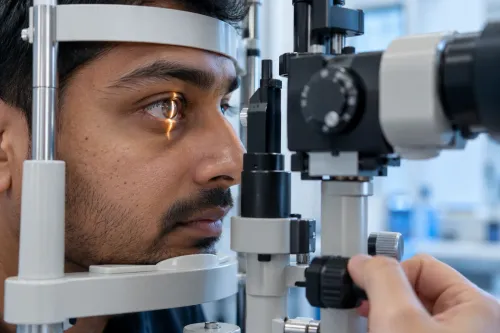
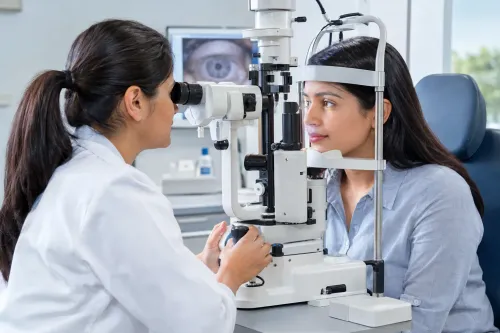
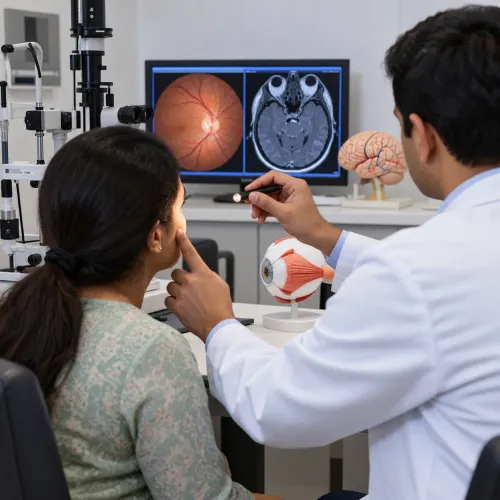
A comprehensive glaucoma assessment involves more than measuring eye pressure. Eye specialists evaluate several aspects of eye health to identify the condition accurately.
Diagnostic tests may include:
- Measurement of intraocular pressure
- Optic nerve examination
- Visual field testing
- Optical Coherence Tomography (OCT)
- Gonioscopy to examine the drainage angle
- Corneal thickness measurement
- Retinal nerve fibre layer analysis
Together, these tests provide a detailed understanding of optic nerve health and help determine whether glaucoma is present or progressing.
Treatment Options for Glaucoma
The primary goal of glaucoma treatment is to lower eye pressure and protect the optic nerve from further damage.
Prescription Eye Drops
Eye drops are often the first line of treatment. They either reduce the production of eye fluid or improve its drainage, helping maintain healthy eye pressure.
Laser Treatment
Laser procedures may improve fluid drainage and reduce intraocular pressure in selected patients. They are often recommended when medications alone are insufficient or not well tolerated.
Glaucoma Surgery
When medications and laser treatment do not adequately control the disease, surgical procedures may be considered to create a new drainage pathway and reduce eye pressure.
Ongoing Monitoring
Glaucoma requires lifelong follow-up. Regular eye examinations help assess treatment effectiveness and identify any progression before further vision is affected.
Protecting Your Vision Through Prevention
Although glaucoma cannot always be prevented, several healthy practices support early detection and better long-term eye health.
Consider the following preventive measures:
- Schedule routine comprehensive eye examinations after the age of 40.
- Inform your eye specialist about any family history of glaucoma.
- Manage diabetes and blood pressure effectively.
- Use steroid medications only under medical supervision.
- Wear protective eyewear during sports and hazardous work.
- Follow prescribed glaucoma treatment consistently without skipping doses.
Consistent monitoring is one of the most effective ways to preserve vision in people diagnosed with glaucoma.
Why Early Screening Makes All the Difference
Glaucoma is a lifelong condition, but timely diagnosis significantly improves the ability to protect eyesight. Since the disease often develops without pain or obvious symptoms, waiting until vision changes become noticeable can result in irreversible optic nerve damage.
Residents of Peer Muchalla can benefit from regular glaucoma screening as part of routine eye care, particularly if they have risk factors such as age, diabetes, or a family history of the condition.
Netra Eye Hospital provides comprehensive glaucoma screening and treatment using advanced diagnostic technology and personalised management plans. Care is focused on early detection, accurate diagnosis, and long-term monitoring to help patients maintain healthy vision.
Healthy eyesight depends on recognising silent conditions before they become serious. Routine glaucoma screening is a simple yet valuable step that can help protect vision for years to come and support a better quality of life through early intervention.