

The word “customised” can describe anything from careful lens-power measurement to a premium lens designed to reduce spectacle use, so the label alone does not tell you whether the extra cost is justified. By the end, you will know which tests, lens choices, health factors and follow-up terms should determine your decision.
Key takeaways
- Customisation changes testing, lens selection and visual targets—not cataract removal itself.
- Premium lenses can reduce spectacle dependence but involve trade-offs, glare and added cost.
- Choose standard monofocal lenses when sharp distance vision matters more than spectacle freedom.
- Compare surgeon experience, diagnostic testing, lens guarantees and follow-up before booking.
What does “customised” cataract treatment actually change?
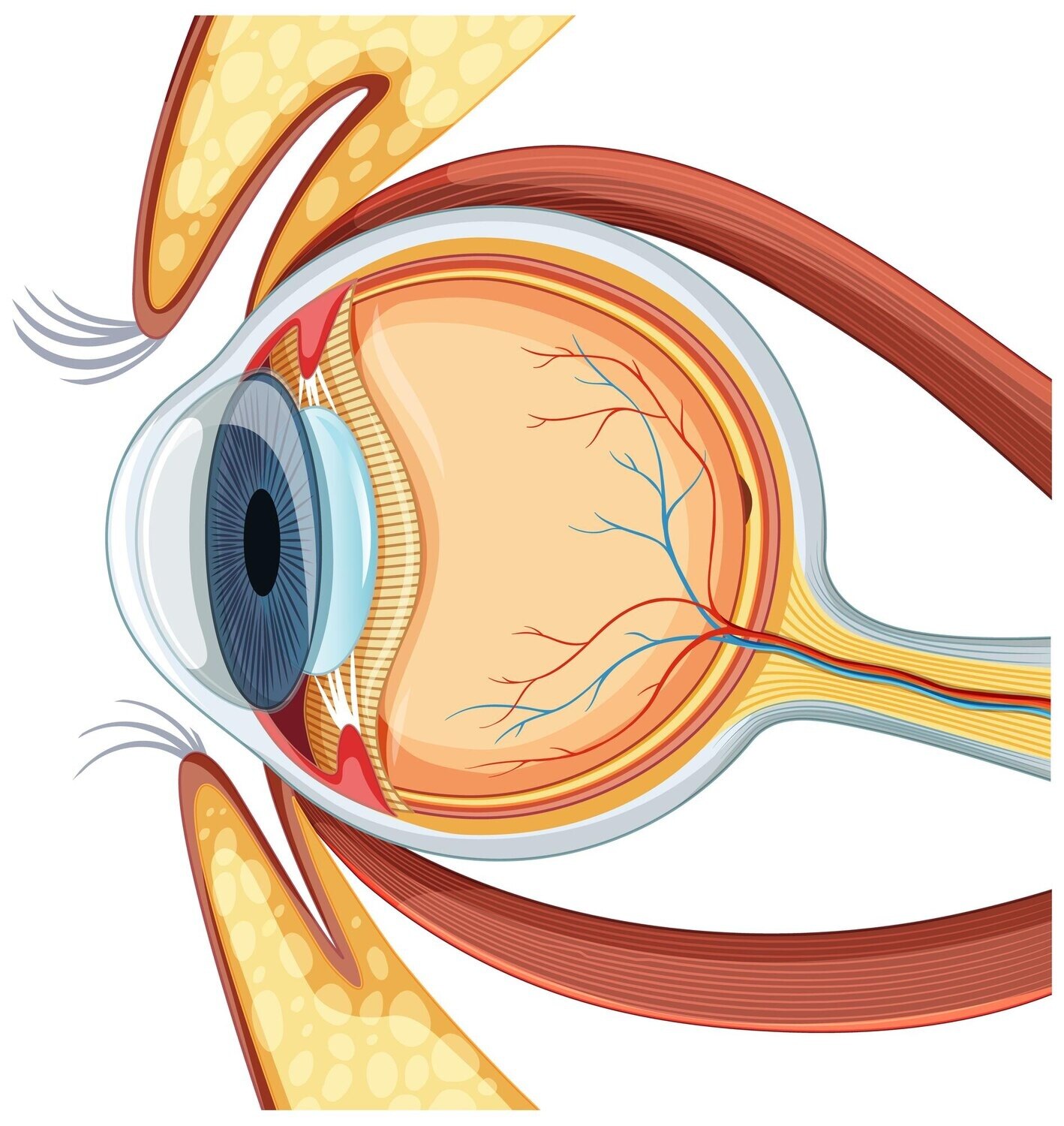
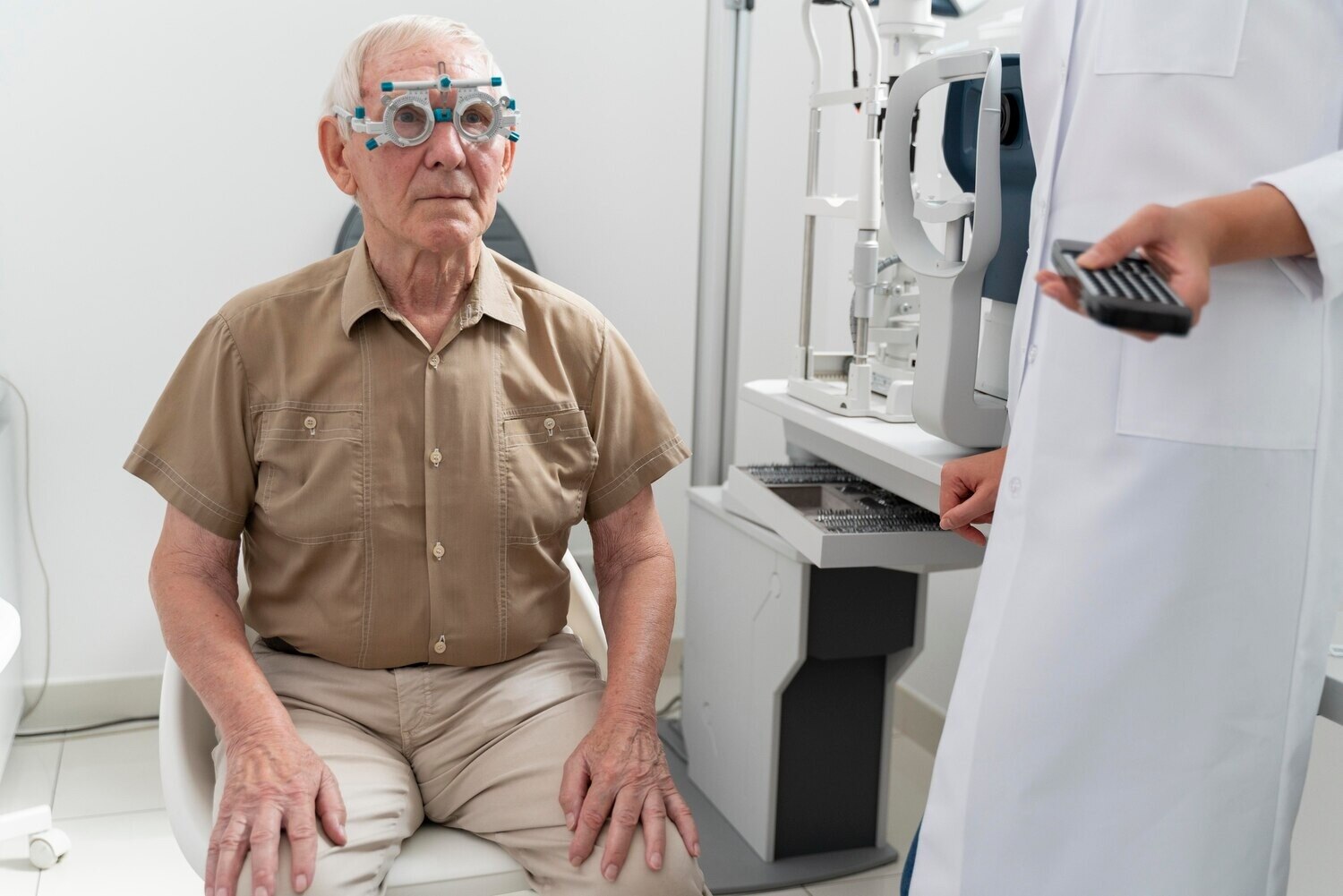
Customisation changes the plan before surgery, not the basic act of removing the cataract. The surgeon combines manifest refraction, optical biometry, keratometry, corneal topography or tomography, pupil size, ocular-surface findings, macular OCT, retinal examination, eye dominance and optic-nerve condition to calculate IOL power and select a visual target.
Your occupation, reading distance, computer use, after-dark driving and willingness to wear glasses also affect that choice.
| Biometry method | When it is used | What happens if it fails |
|---|---|---|
| Optical biometry | Preferred when the cataract allows reliable optical readings | An inaccurate measurement can leave unexpected spectacle power |
| Ultrasound biometry | Useful when a dense cataract blocks optical readings | The surgeon uses sound waves to estimate the eye’s length |
Custom cataract treatment in Panchkula is therefore a planning process, not a single standardised operation. Ask the surgeon:
- Which measurements were taken, and what did each one show?
- Is the target distance, intermediate or near vision?
- Which glasses will I still need for reading, computer work or driving?
- How did my cornea, retina, macula, ocular surface, pupil and optic nerve affect the recommendation?
A “customised” label means little without these answers. The plan should match how you use your eyes, not just the lens advertised.
Which lens options make a cataract service “premium”?
A premium lens is not defined by price: it is chosen to match your cornea, retina, daily visual demands and tolerance for optical side effects. A premium cataract service in Panchkula should explain the trade-off, not promise perfect sight without glasses.
| Option | What it means | Main trade-off |
|---|---|---|
| Monofocal | One focal distance, usually distance | Reading or computer glasses commonly remain |
| Toric monofocal | Monofocal lens correcting regular corneal astigmatism | Needs accurate measurements and stable alignment |
| Enhanced monofocal | Broader useful range than a standard monofocal | Glasses may still be needed for near work |
| Multifocal | Separate focal zones for distance and near | Halos, glare and reduced contrast can affect night driving |
| Extended-depth-of-focus | Stretches vision across distance and intermediate ranges | Near glasses and night-vision symptoms remain possible |
A standard monofocal lens usually targets one main distance, such as far vision. A toric lens addresses regular corneal astigmatism predictably when corneal measurements are reliable and the lens stays correctly aligned; it does not correct every cause of blurred vision.
Irregular astigmatism has uneven corneal curvature and may need a different strategy, such as treating the ocular surface or considering other optical correction. Multifocal and extended-depth-of-focus lenses cover more than one range, but halos, glare and reduced contrast can make dim-light activities difficult.
Premium does not guarantee spectacle independence. Residual refractive error, lens rotation or an unexpected prescription can leave you needing glasses, laser enhancement, lens repositioning or another procedure. Ask what happens if the result misses the target, including whether later posterior capsule clouding would require YAG laser treatment.
Who benefits from premium lenses—and who should choose standard?
A premium lens suits you best when the eye itself can support the promised visual range: a clear cornea, controlled dry eye, healthy macula and optic nerve, and no major retinal disease.
You also need realistic expectations, a strong wish to reduce glasses, and a lifestyle that tolerates halos, glare or reduced contrast during night driving.
| Choice | Best fit | Main trade-off |
|---|---|---|
| Premium multifocal or extended-depth-of-focus lens | Healthy macula and optic nerve, stable ocular surface, dependable measurements, and a priority of reducing glasses | Halos, glare, reduced contrast, residual prescription and possible need for enhancement |
| Standard monofocal lens | Dependable vision at one main distance, acceptance of reading glasses, fewer optical side effects or lower expense | Glasses commonly remain for reading or computer work |
Irregular corneal astigmatism, significant dry eye, glaucoma, macular degeneration, diabetic retinopathy, corneal disease, amblyopia and optic-nerve disease can limit the result or make multifocal optics unsuitable. These problems reduce image quality before the lens is even considered. Cataract removal cannot reverse retinal, corneal or optic-nerve damage.
Choose a standard monofocal lens if dependable distance vision matters more than spectacle independence, or if halos would disrupt your work or driving. A premium cataract service in Panchkula and custom cataract treatment in Panchkula should recommend the lens that matches your eye health and daily needs, not simply label the expensive option as better.
What should you compare before choosing a customised cataract provider?
Compare providers on the measurements, promised follow-up and total cost—not on the label premium cataract surgery in panchkula. Ask for a written plan before deciding.
- Manifest refraction: confirms your current prescription and the refractive target.
- Optical or ultrasound biometry: calculates IOL power; ultrasound helps when a dense cataract blocks reliable optical readings.
- Keratometry: measures corneal curvature for IOL power and astigmatism planning.
- Corneal mapping: detects regular versus irregular astigmatism and uneven corneal shape.
- Macular OCT: identifies retinal disease that could limit visual improvement.
- Intraocular-pressure measurement: screens for pressure-related risk, including glaucoma.
- Tear-film or dry-eye assessment: treats an unstable surface that can distort measurements.
- Dilated retinal examination: checks the retina and optic nerve before surgery.
Ask why every test changes your plan. Then confirm what the quote includes: the IOL, astigmatism correction, surgeon follow-ups, treatment for residual prescription, toric-rotation management and YAG laser treatment if posterior capsule opacification later blurs vision.
| Option | Compare | What to ask |
|---|---|---|
| Manual phacoemulsification | Established technique; access and cost | Does my anatomy require another approach? |
| Femtosecond-laser-assisted surgery | Technology choice, not automatic superiority | What evidence, access benefit and extra cost apply to my eye? |
Also compare infection-control arrangements, emergency access and written postoperative instructions. At Netra Eye Hospital, request written lens options, target vision, limitations, follow-up schedule and total expected charges.
Related service
Customised Premium Cataract Service at Netra Eye Hospital offers advanced cataract treatment tailored to each patient's visual needs and lifestyle. View service → |
When is the customised option worth choosing?
Choose the customised option when detailed testing identifies a suitable eye, the lens solves a problem you actually have, and you accept its trade-offs. That problem could be regular astigmatism or a strong wish to reduce dependence on glasses.
The plan should also explain follow-up, possible residual prescription, and what happens if the IOL rotates or the capsule later clouds.
| Option | Best fit | Main trade-off |
|---|---|---|
| Standard monofocal | Reliable distance vision; reading glasses are acceptable | One main focal range |
| Toric monofocal | Dependable regular corneal astigmatism correction | Glasses may still be needed |
| Multifocal or extended-depth-of-focus | Reducing glasses across distances is a priority | Halos, glare, reduced contrast and night-driving difficulty |
A standard monofocal plan is often better value when your retina or cornea limits premium-lens performance, or halos would disrupt driving after dark. Macular disease, glaucoma, irregular corneal shape, diabetic retinal disease, severe dry eye and optic-nerve damage can limit the result; cataract removal cannot reverse them.
A credible customised cataract service in Panchkula should make these limits explicit. Judge timing by difficulty reading, driving, recognising faces or working—not by waiting for a “mature” cataract. The same decision rule applies when comparing premium cataract surgery in Panchkula.
Ask at consultation:
- What distance will be sharpest?
- Which glasses will remain?
- What conditions limit the result?
- What happens if the prescription is unexpected?
- What is included after surgery?
Frequently asked questions
What does customised cataract treatment change?
It combines refraction, optical biometry, keratometry, corneal mapping, pupil assessment, ocular-surface checks, macular OCT, retinal examination, eye dominance and optic-nerve findings to choose IOL power and a visual target.
Which lens options make a cataract service premium?
Premium options include toric lenses for corneal astigmatism, multifocal or trifocal lenses for several distances, and extended-depth-of-focus lenses for a wider range with fewer focal points.
Who benefits from premium cataract lenses?
People who prioritise reduced spectacle dependence and have suitable corneas, retina, optic nerves and tear-film quality may benefit after discussing night-vision trade-offs.
Who should choose a standard monofocal lens?
A standard monofocal lens suits people who prioritise dependable distance vision, have retinal or optic-nerve disease, or prefer to avoid premium-lens glare and added expense.
What should you compare before choosing a customised cataract provider?
Compare the diagnostic tests included, surgeon experience, IOL brands and model, astigmatism plan, written quotation, enhancement policy, complication counselling and follow-up schedule.