
Children do not always recognise that their vision is different from that of other people. A child with reduced vision in one eye may continue playing, studying, plus performing routine activities using the stronger eye. This makes observation by parents, teachers, plus caregivers especially important.
Families looking for Paediatric Ophthalmology in Dhakoli commonly want to know which signs justify a specialised eye examination. Some symptoms are easy to notice, while others appear as changes in behaviour, school performance, reading habits, or visual attention.
Signs worth discussing with an eye specialist include
- Frequent squinting
- Sitting unusually close to screens
- Holding books very near the face
- Closing one eye while reading
- Recurrent eye rubbing
- Abnormal eye alignment
- Difficulty seeing the classroom board
- Frequent headaches during visual tasks
- Poor visual attention
- White appearance in the pupil
- Persistent watering
- Unusual sensitivity to light
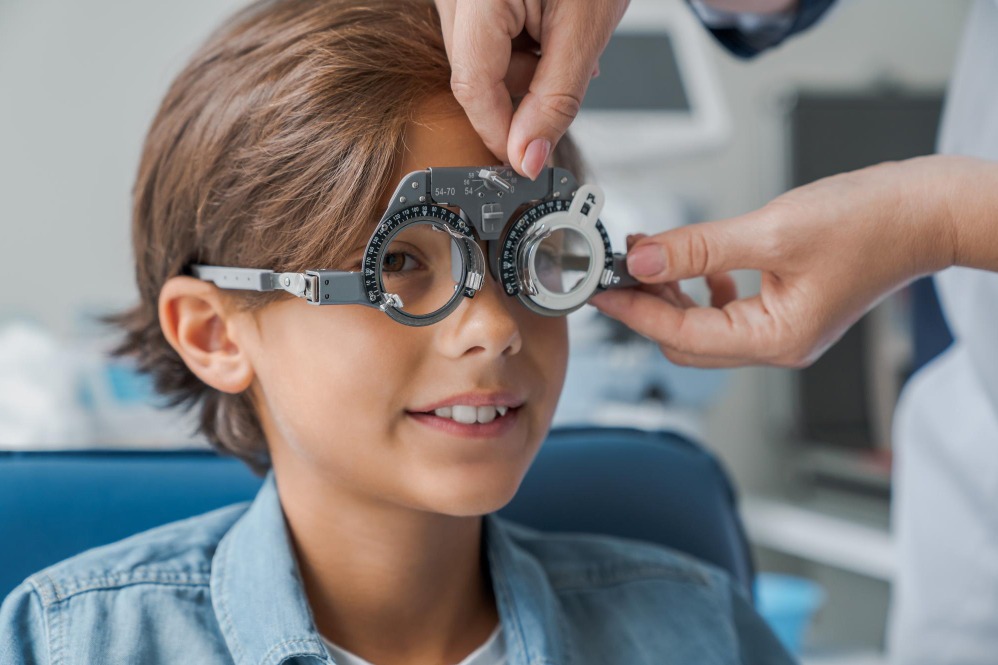
Paediatric eye assessment differs from a standard adult vision check because children may not always describe symptoms clearly. Examination methods can be adapted according to age, cooperation level, plus developmental stage.
Refractive errors are among the common reasons children need eye care. Short-sightedness, long-sightedness, plus astigmatism can affect visual clarity. Proper assessment helps determine whether spectacles are needed.
Another important concern is amblyopia, commonly called lazy eye. It can develop when the brain receives a consistently poorer visual image from one eye during childhood. Possible causes include unequal spectacle power, squint, plus other visual problems. Because visual development occurs during childhood, timely identification matters.
Parents sometimes assume that a child will report blurred vision. This is not always reliable. A child who has never experienced sharper eyesight may believe that their current vision is normal.
School-related visual demands make eye health particularly relevant. Reading from boards, shifting focus between notebooks plus distant objects, using digital devices, completing homework, plus participating in sports all depend on functional vision.
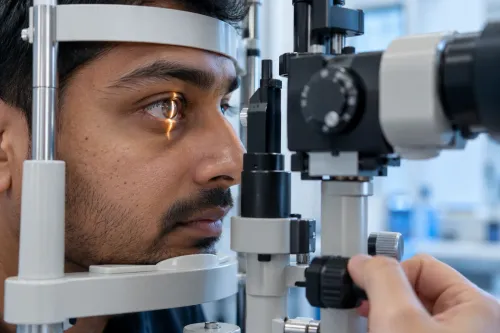
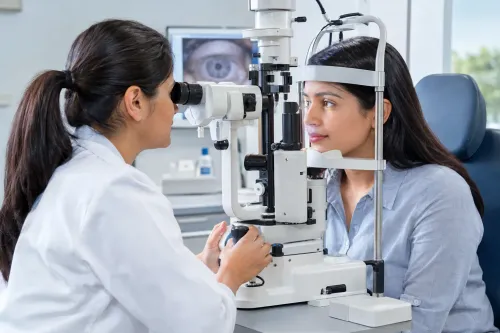
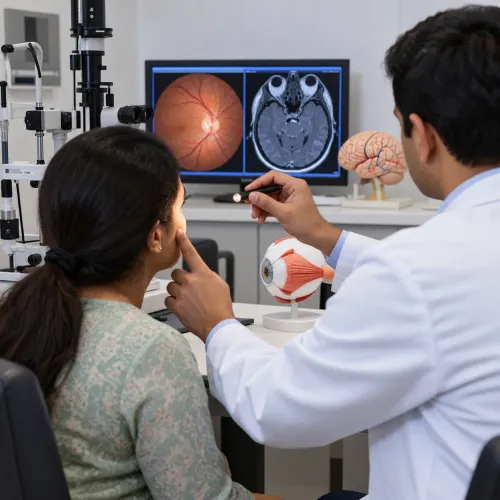
A paediatric ophthalmology consultation can assess visual acuity, refractive status, eye alignment, eye movements, front structures, plus the back of the eye when clinically indicated. The exact examination depends on the child's age plus presenting concern.
Children who already wear spectacles may need periodic reviews because their refractive needs can change as they grow. Follow-up is also important when treatment has been recommended for amblyopia, squint, or another childhood eye condition.
Screen habits deserve practical attention too. Long periods of close work can contribute to eye strain. Regular breaks, suitable reading distance, good lighting, outdoor activity, plus balanced screen habits can support visual comfort, although these measures do not replace an examination when a genuine eye problem is suspected.
Netra Eye Hospital provides paediatric eye evaluation for families in Dhakoli. A child's consultation should focus not only on whether spectacles are required but also on visual development plus overall ocular health.
Parents do not need to wait for severe symptoms. Repeated squinting, unusual viewing habits, poor school-board visibility, abnormal eye alignment, persistent headaches during close work, plus unexplained changes in visual behaviour provide sensible reasons to arrange a paediatric eye assessment.