
A child's ability to see clearly plays a significant role in learning, communication, and overall development. From recognising letters in the classroom to participating in sports and reading books at home, healthy vision supports nearly every stage of childhood. However, many vision problems develop gradually and may go unnoticed because children often do not realise their eyesight is different from what it should be.
Parents in Mohali frequently assume that if their child does not complain about vision, their eyes are healthy. In reality, many childhood eye conditions produce few obvious symptoms during the early stages. A comprehensive children's vision assessment helps detect these problems early, allowing timely treatment and reducing the risk of long-term visual difficulties.
What Is a Children's Vision Assessment?
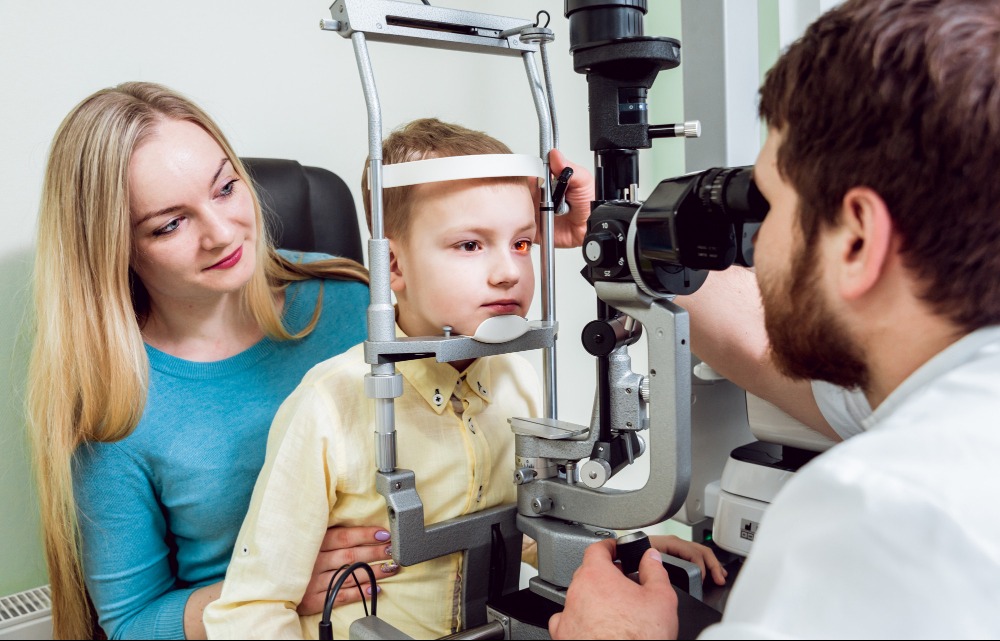
A children's vision assessment is a detailed examination performed by an eye specialist to evaluate not only how well a child sees but also how the eyes work together and whether they are developing normally. Unlike simple school vision screenings, a comprehensive assessment examines overall eye health, focusing ability, eye alignment, colour vision when appropriate, and the presence of any underlying eye disease.
Regular assessments are valuable even when children appear to have normal eyesight because some conditions cannot be identified without specialised testing.
Why Early Vision Assessment Matters
The visual system continues to develop throughout early childhood. During this period, untreated eye problems may interfere with brain development related to vision. If certain conditions remain undiagnosed, they can affect reading skills, concentration, classroom performance, and even social confidence.
Early identification allows treatment to begin while the visual system is still developing, improving the chances of successful outcomes.
Children with healthy vision are often better equipped to:
- Recognise letters and numbers clearly
- Maintain attention during classroom activities
- Develop hand-eye coordination
- Participate confidently in sports
- Read comfortably for longer periods
- Build visual skills needed for daily learning
Signs That May Indicate a Vision Problem
Children rarely describe blurred vision accurately, making it important for parents and teachers to observe behavioural changes.
Consider arranging a vision assessment if your child:
- Squints while watching television
- Sits very close to digital screens
- Frequently rubs their eyes
- Complains of headaches after reading
- Covers one eye while focusing
- Tilts their head to see clearly
- Loses their place while reading
- Experiences frequent eye watering
- Has difficulty catching a ball or judging distances
- Shows a sudden decline in academic performance
These symptoms may have several causes, but they should always be evaluated by an eye specialist.
Common Vision Problems Found During Childhood
A comprehensive eye examination can identify a wide range of conditions.
Refractive Errors
Myopia, hyperopia, and astigmatism are among the most common reasons children require spectacles. Correcting these problems helps improve learning and everyday activities.
Amblyopia (Lazy Eye)
One eye develops weaker vision than the other because the brain favours the stronger eye. Treatment is generally more effective when started early.
Strabismus (Squint)
Eye misalignment may affect depth perception and visual development if left untreated.
Eye Allergies
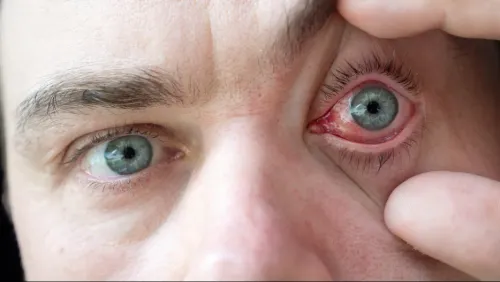
Persistent itching, redness, and watering may indicate allergic eye disease rather than simple irritation.
Congenital Eye Conditions
Certain children are born with cataracts, glaucoma, or retinal disorders that require specialised management.
What Happens During the Assessment?
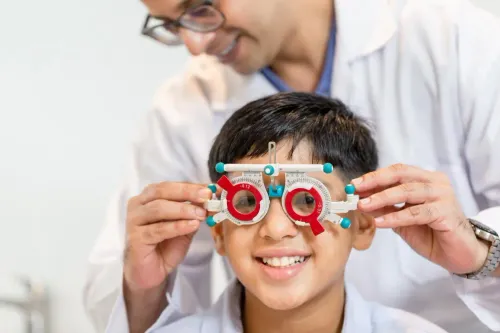
A children's vision assessment is designed to be comfortable and suitable for different age groups. The examination methods vary depending on the child's age and level of cooperation.
The evaluation may include:
- Visual acuity testing
- Eye alignment assessment
- Eye movement evaluation
- Refraction to determine spectacle power
- Colour vision testing when indicated
- Binocular vision assessment
- Examination of the retina and optic nerve
- Overall eye health evaluation
Parents are encouraged to discuss any concerns regarding learning, screen habits, family history, or changes they have noticed in their child's vision.
Supporting Healthy Vision at Home
Although regular eye examinations are important, daily habits also contribute to maintaining healthy eyesight.
Parents can encourage better eye health by:
- Limiting unnecessary recreational screen time.
- Following the 20-20-20 rule during prolonged digital device use.
- Encouraging outdoor activities every day.
- Providing a balanced diet rich in leafy vegetables, colourful fruits, and foods containing vitamins that support eye health.
- Ensuring children read in good lighting.
- Scheduling routine eye examinations according to the ophthalmologist's recommendations.
- Encouraging protective eyewear during sports and outdoor activities when appropriate.
These simple practices help reduce visual strain while supporting healthy eye development.
When Should Children Have Regular Eye Examinations?
Eye examinations should not begin only after a child starts school. Most specialists recommend:
- An early eye evaluation during infancy if there are risk factors or visible eye abnormalities.
- A comprehensive examination before school admission.
- Regular follow-up assessments every one to two years, or more frequently if advised.
- Immediate evaluation whenever unusual visual symptoms develop.
Children with diabetes, premature birth, neurological conditions, or a family history of eye disease may require more frequent monitoring.
Helping Children Build a Lifetime of Healthy Vision
Good vision supports far more than classroom learning. It contributes to confidence, physical coordination, social interaction, and overall development. Many childhood eye conditions respond well to treatment when identified early, making routine vision assessments an important investment in a child's future.
For families in Mohali, comprehensive pediatric eye care allows vision problems to be identified before they interfere with learning or daily life. Early diagnosis provides opportunities for timely treatment and better long-term visual outcomes.
Netra Eye Hospital offers comprehensive children's vision assessments using child-friendly examination techniques and modern diagnostic equipment. Each child receives an individualised evaluation based on their age, developmental stage, and specific visual needs.
Regular eye examinations provide parents with reassurance that their child's vision is developing as expected. Detecting potential concerns early helps children enjoy clearer vision, improved learning experiences, and healthier eye development throughout every stage of childhood.