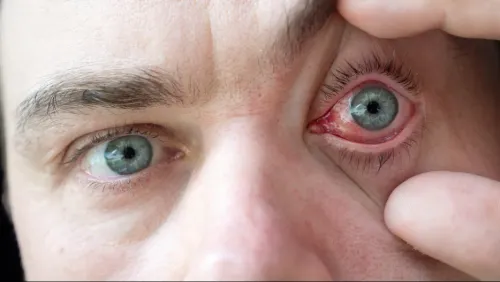


Living with diabetes involves much more than monitoring blood sugar levels. Over time, diabetes can affect several organs, including the eyes. One of the most serious complications is diabetic retinopathy, a condition that damages the tiny blood vessels of the retina. In its early stages, diabetic retinopathy often develops without pain or noticeable vision changes, making regular retinal examinations an essential part of diabetes management.
For people in Chandigarh, timely diabetic retina care can help detect changes before they threaten vision. Whether diabetes has been diagnosed recently or has been present for many years, routine eye screenings are one of the most effective ways to protect long-term eyesight and maintain independence in daily life.
How Diabetes Affects the Retina
The retina is a delicate layer of tissue at the back of the eye that captures light and sends visual signals to the brain. High blood sugar levels can gradually damage the small blood vessels that nourish the retina, causing them to leak, swell, or become blocked. In advanced cases, abnormal new blood vessels may grow, increasing the risk of bleeding and retinal detachment.
Because these changes often occur silently, many people remain unaware of the problem until vision becomes significantly affected.
Understanding Diabetic Retinopathy
Diabetic retinopathy usually develops in stages.
Mild to Moderate Non-Proliferative Diabetic Retinopathy
Small retinal blood vessels weaken and may develop tiny bulges or leak small amounts of fluid. Vision may still appear normal during this stage.
Severe Non-Proliferative Diabetic Retinopathy
As more blood vessels become blocked, the retina receives less oxygen, increasing the likelihood of further complications.
Proliferative Diabetic Retinopathy
New abnormal blood vessels begin growing on the retinal surface. These fragile vessels can bleed into the eye, cause scar tissue formation, and increase the risk of retinal detachment.
Diabetic Macular Edema
Fluid may accumulate in the macula, the central part of the retina responsible for detailed vision. This can cause blurred central vision and difficulty with reading, driving, or recognising faces.
Who Needs Regular Diabetic Retina Screening?
Every person with diabetes should undergo comprehensive retinal examinations, regardless of whether vision appears normal.
Regular screening is especially important for:
- People with Type 1 diabetes
- People with Type 2 diabetes
- Individuals with poorly controlled blood sugar
- Pregnant women with diabetes
- Patients with high blood pressure or kidney disease
- Individuals who have had diabetes for several years
The frequency of eye examinations depends on overall health, blood sugar control, and previous retinal findings.
Symptoms That Should Never Be Ignored
Diabetic eye disease may progress without warning, but certain symptoms require immediate medical attention.
Seek an eye examination if you notice:
- Blurred or fluctuating vision
- Dark spots or floaters
- Difficulty reading
- Distorted central vision
- Poor night vision
- Sudden vision loss
- Colours appearing faded
- Blank areas in the field of vision
Even mild symptoms should be evaluated promptly because early treatment often leads to better outcomes.
How Diabetic Retina Care Is Diagnosed
Modern retinal imaging allows specialists to identify diabetic eye disease before noticeable vision loss occurs.
Your eye examination may include:
- Dilated retinal examination
- Optical Coherence Tomography (OCT)
- Digital retinal photography
- Fluorescein angiography when necessary
- Visual acuity testing
- Eye pressure measurement
These tests provide detailed information about retinal health and help determine whether treatment is required.
Treatment Options for Diabetic Retinopathy
Treatment depends on the stage of the disease and the presence of retinal swelling or bleeding.
Blood Sugar and Blood Pressure Management
Maintaining stable blood glucose and blood pressure remains the foundation of diabetic eye care and helps slow disease progression.
Intravitreal Injections
Specialised medications injected into the eye may reduce retinal swelling and control abnormal blood vessel growth.
Laser Treatment
Laser therapy may be recommended to seal leaking blood vessels or reduce the growth of abnormal new vessels in advanced diabetic retinopathy.
Vitrectomy Surgery
When significant bleeding or retinal detachment develops, vitrectomy surgery may be necessary to restore retinal health and improve vision.
The most appropriate treatment is determined after a detailed retinal evaluation.
Everyday Habits That Help Protect Your Vision
Managing diabetes effectively benefits both overall health and eye health.
Consider these practical steps:
- Monitor blood sugar levels regularly and follow your treatment plan.
- Maintain healthy blood pressure and cholesterol levels.
- Eat a balanced diet rich in vegetables, fruits, and whole grains.
- Exercise regularly after consulting your healthcare provider.
- Avoid smoking, as it increases the risk of diabetic eye complications.
- Never skip annual retinal examinations, even if your eyesight feels normal.
- Report any sudden changes in vision immediately.
These measures help reduce the likelihood of vision-threatening complications.
Why Preventive Retina Care Is So Important
One of the greatest challenges of diabetic retinopathy is that vision may remain unaffected until the disease has already progressed. Waiting for symptoms to appear often means valuable treatment opportunities have been missed. Regular retinal screening allows eye specialists to identify changes early and begin treatment before permanent damage occurs.
For people living in Chandigarh, diabetic retina care is an important part of comprehensive diabetes management. Routine eye examinations not only help preserve vision but also provide reassurance that retinal health is being monitored consistently.
Netra Eye Hospital offers specialised diabetic retina care using advanced retinal imaging and evidence-based treatment approaches. Every patient receives an individualised management plan based on the stage of retinal disease, overall health, and long-term visual needs.
Protecting eyesight begins with prevention. By combining good diabetes control with regular retinal examinations, individuals can significantly reduce the risk of vision loss and continue enjoying clear, healthy vision for years to come.