

Cataracts are one of the leading causes of vision impairment, particularly among older adults. As the natural lens of the eye gradually becomes cloudy, everyday activities such as reading, driving, cooking, or recognising faces may become increasingly difficult. While many people accept these changes as a normal part of ageing, modern eye care offers advanced treatment options that can restore clearer vision and improve quality of life.
Laser cataract surgery has become an important advancement in ophthalmology because it combines precision technology with established surgical techniques. However, many patients are unsure whether they are suitable candidates or when the right time for surgery is. Understanding the benefits, evaluation process, and readiness indicators can help individuals in Zirakpur make informed decisions about their eye health.
What Is Laser Cataract Surgery?
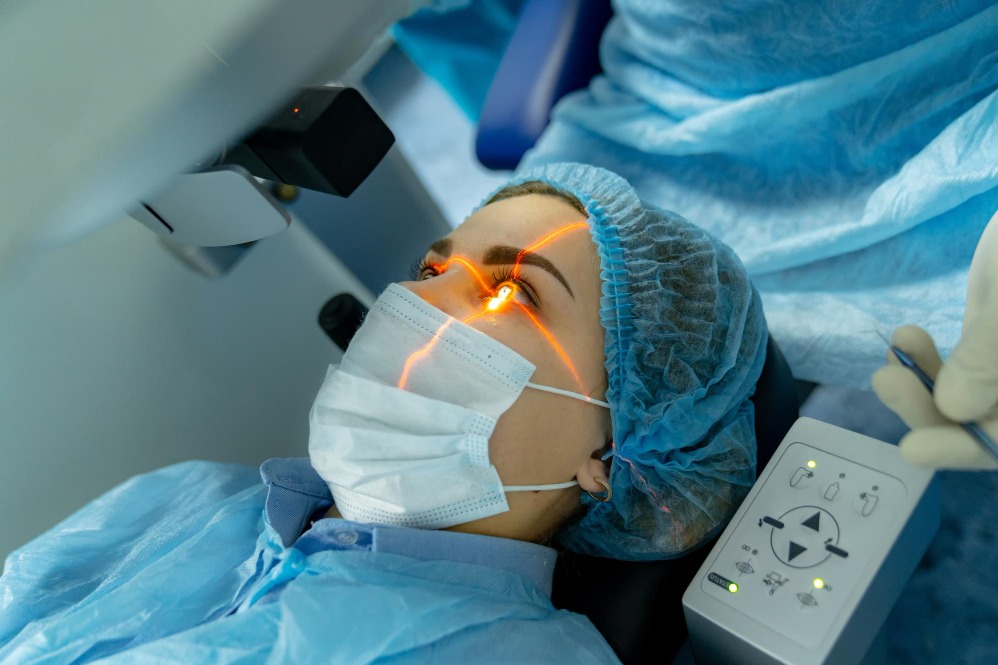
Laser cataract surgery is an advanced approach to cataract removal that uses femtosecond laser technology to assist with specific stages of the procedure. The laser performs highly precise steps such as creating corneal incisions, opening the lens capsule, and softening the cataract before the cloudy lens is removed.
After the cataract is removed, an artificial intraocular lens (IOL) is implanted to restore focusing ability. The choice of lens depends on the patient's visual needs, lifestyle, and overall eye health.
It is important to note that laser-assisted surgery follows the same fundamental principle as conventional cataract surgery but incorporates technology that enhances precision during selected stages of the procedure.
Signs You May Be Ready for Cataract Surgery
The decision to undergo surgery is not based solely on the appearance of the cataract. Instead, ophthalmologists consider how much the condition affects your daily life and visual function.
You may be ready for laser cataract surgery if you experience:
- Blurred or cloudy vision that affects routine activities
- Difficulty driving, especially at night
- Increased glare from sunlight or headlights
- Frequent changes in spectacle prescription
- Colours appearing faded or less vibrant
- Difficulty reading despite wearing glasses
- Reduced confidence while walking on stairs or uneven surfaces
- Trouble recognising faces from a distance
When these symptoms begin interfering with independence and daily comfort, a detailed eye examination becomes important.
Who May Benefit from Laser-Assisted Cataract Surgery?
Laser technology may be recommended for selected patients based on the structure of their eyes and their visual requirements.
You may be considered a suitable candidate if:
- You have age-related cataracts affecting vision.
- Your ophthalmologist recommends laser assistance based on detailed eye measurements.
- You are considering premium intraocular lenses for greater visual precision.
- You have certain corneal conditions where precise surgical planning is beneficial.
- Your overall eye health supports laser-assisted treatment.
The final decision is always made after a comprehensive evaluation rather than patient preference alone.
What Happens Before the Procedure?
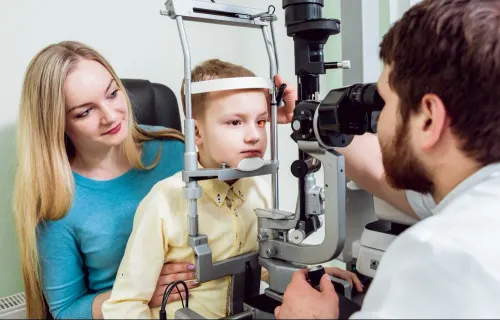
Every successful cataract surgery begins with careful planning. Before recommending treatment, the ophthalmologist performs several diagnostic tests to understand the condition of the eyes.
The preoperative assessment generally includes:
- Comprehensive eye examination
- Visual acuity testing
- Corneal measurements
- Eye pressure evaluation
- Retinal examination
- Biometry to calculate intraocular lens power
- Review of medical history and current medications
These investigations help ensure that the selected surgical approach and lens provide the best possible outcome.
Understanding the Benefits of Laser Technology
Laser-assisted cataract surgery offers several advantages when recommended for appropriate patients.
Some potential benefits include:
- Highly precise corneal incisions
- Accurate lens capsule opening
- Reduced ultrasound energy required in some cataracts
- Improved consistency during specific surgical steps
- Better alignment for certain premium intraocular lenses
While these advantages are valuable, overall surgical success continues to depend on accurate diagnosis, proper patient selection, and the expertise of the operating surgeon.
Recovery After Laser Cataract Surgery
Most patients return home on the same day as the procedure. Vision often begins improving within the first few days, although complete healing may continue for several weeks.
During recovery, patients are generally advised to:
- Use prescribed eye drops exactly as directed.
- Avoid rubbing the operated eye.
- Wear protective eyewear if recommended.
- Avoid heavy lifting during the initial recovery period.
- Attend scheduled follow-up appointments.
- Keep the eye protected from dust, smoke, and contaminated water.
Following postoperative instructions carefully helps support healing and reduces the likelihood of complications.
Questions to Ask Before Choosing a Provider
Selecting the right eye hospital involves more than comparing treatment options. Patients should understand the facilities available and the level of care they will receive throughout the surgical journey.
Consider discussing:
- Whether laser cataract surgery is appropriate for your eyes
- Which intraocular lens best suits your lifestyle
- The expected recovery timeline
- Follow-up care after surgery
- Management of existing eye conditions such as glaucoma or retinal disease
- Possible risks and expected visual outcomes
Open communication with your ophthalmologist allows you to make an informed treatment decision based on your individual needs.
Choosing the Right Time for Advanced Cataract Care
Delaying cataract surgery unnecessarily may continue to affect reading, driving, work, and overall quality of life. At the same time, surgery should be planned after a thorough evaluation confirms that cataracts are the primary cause of reduced vision and that treatment is likely to provide meaningful improvement.
For people living in Zirakpur, access to advanced cataract care allows treatment decisions to be based on detailed diagnostic findings rather than waiting until vision becomes severely impaired.
Netra Eye Hospital provides comprehensive cataract evaluation, advanced diagnostic imaging, and laser cataract surgery for suitable patients. Every treatment plan is personalised after assessing visual needs, eye health, and lifestyle requirements, ensuring that patients receive care tailored to their individual condition.
Clear vision supports independence, confidence, and everyday comfort. Understanding when you are ready for laser cataract surgery and seeking timely professional evaluation can help preserve visual quality and improve long-term eye health.