

The eyes are protected and supported by several surrounding structures, including the eyelids, tear drainage system, eye socket, and nearby facial tissues. When these structures are affected by injury, aging, congenital conditions, infections, or growths, they can interfere with both vision and eye health. Oculoplasty is a specialised branch of ophthalmology that focuses on diagnosing and treating conditions affecting these areas while preserving the function and appearance of the eyes.
Many people assume that drooping eyelids or eyelid lumps are only cosmetic concerns. However, some eyelid conditions can obstruct vision, cause chronic irritation, or indicate underlying medical problems that require specialised treatment. For residents of Baltana, understanding when to seek expert evaluation can help prevent complications and improve both comfort and visual function.
What Is Oculoplasty?
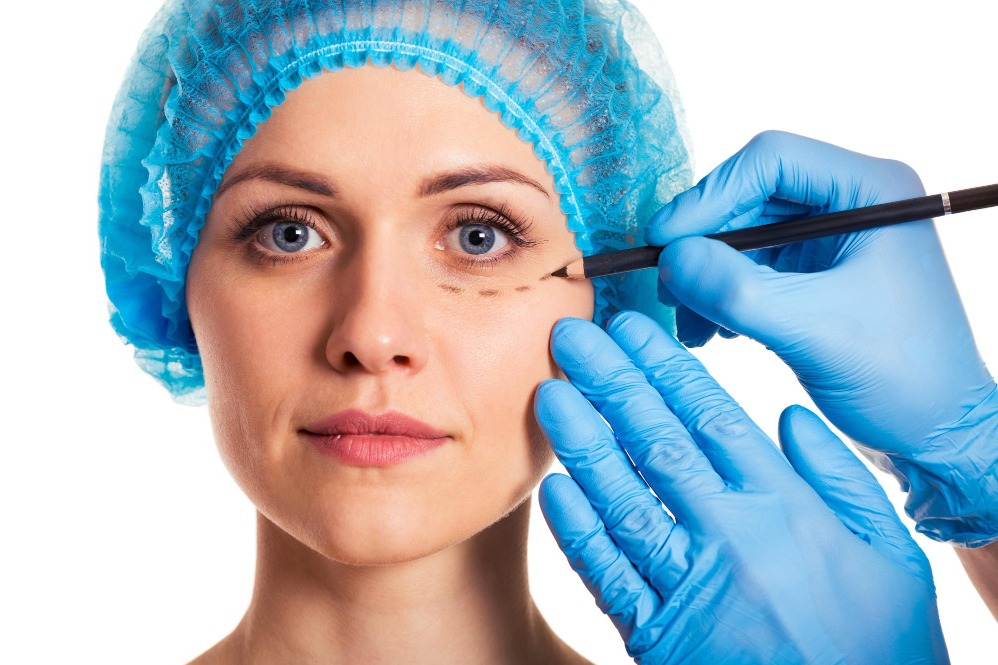
Oculoplasty, also known as ophthalmic plastic and reconstructive surgery, deals with disorders affecting the eyelids, tear ducts, eye socket (orbit), and surrounding facial structures. Unlike cosmetic procedures performed for appearance alone, many oculoplastic treatments aim to restore normal eye function while improving the health of the surrounding tissues.
Treatment plans vary depending on the underlying condition and may involve medication, minimally invasive procedures, or reconstructive surgery.
Conditions Commonly Managed Through Oculoplasty
An ophthalmologist specialising in oculoplasty evaluates a wide range of eyelid and orbital conditions.
Drooping Eyelids (Ptosis)
Ptosis occurs when the upper eyelid falls lower than normal. Mild cases may be mainly cosmetic, but more severe drooping can partially block vision and affect daily activities such as reading or driving.
Eyelid Lumps and Cysts
Conditions such as chalazion, cysts, or other eyelid swellings may require medical treatment or minor surgical removal if they persist or recur.
Inward or Outward Turning Eyelids
Ectropion and entropion are eyelid disorders that can lead to excessive tearing, irritation, redness, and damage to the eye surface if left untreated.
Tear Drainage Disorders
Blocked tear ducts can cause constant watering, recurrent infections, and discomfort. Treatment depends on the location and severity of the blockage.
Orbital Disorders
Inflammation, thyroid-related eye disease, fractures, and certain tumours affecting the eye socket require specialised evaluation and management.
Signs You Should Not Ignore
Many eyelid conditions progress gradually, making early diagnosis important.
Consider consulting an eye specialist if you experience:
- Drooping eyelids affecting vision
- Persistent eyelid swelling
- Recurrent eyelid infections
- Constant watering of the eyes
- Difficulty fully closing the eyelids
- Eyelid turning inward or outward
- Growths or unusual lumps near the eye
- Pain or swelling around the eye socket
- Changes in the position of the eyes
Prompt evaluation helps determine whether the problem requires medical treatment or surgical correction.
How Oculoplasty Conditions Are Diagnosed
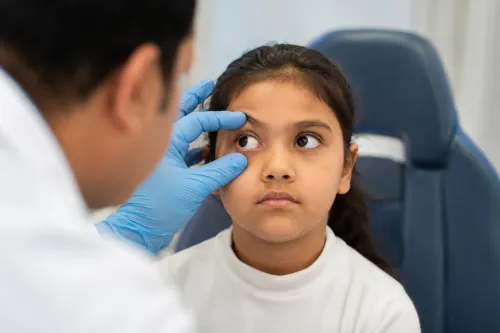
A detailed examination allows the ophthalmologist to identify the cause of eyelid or orbital problems and recommend appropriate treatment.
The assessment may include:
- Comprehensive eye examination
- Eyelid position measurements
- Tear drainage evaluation
- Eye movement assessment
- Vision testing
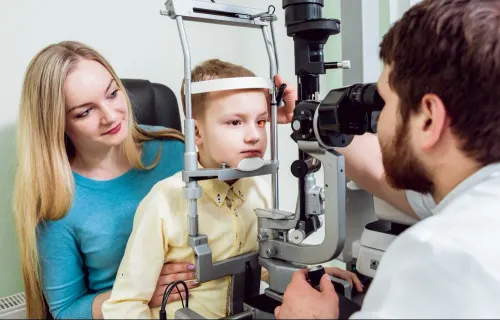
- Slit-lamp examination
- Imaging studies such as CT or MRI scans when orbital conditions are suspected
The treatment plan is based on the diagnosis, severity of the condition, and the patient's overall health.
When Is Eyelid Surgery Recommended?
Not every eyelid problem requires surgery. Many conditions respond well to medication or conservative management.
Surgical treatment may be recommended when:
- Drooping eyelids obstruct vision.
- Eyelid position causes irritation or corneal damage.
- Tear duct blockage does not improve with medical treatment.
- Persistent eyelid lumps fail to resolve.
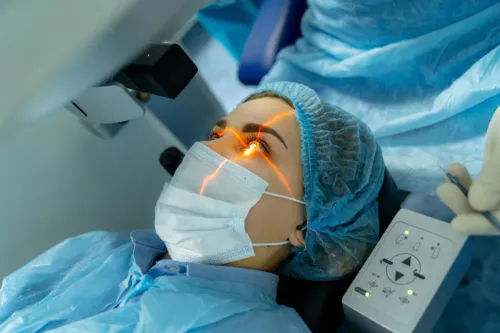
- Reconstructive repair is needed after trauma or tumour removal.
- Functional improvement is necessary to protect the eye.
The objective is always to restore healthy eyelid function while maintaining natural appearance.
Recovery After Oculoplasty Procedures
Recovery varies depending on the type of procedure performed. Most patients experience mild swelling or bruising during the initial healing period.
Patients are generally advised to:
- Use prescribed medications as directed.
- Apply cold compresses if recommended.
- Keep the surgical area clean.
- Avoid rubbing the eyes.
- Attend follow-up appointments for monitoring.
- Resume normal activities according to medical advice.
Following postoperative instructions supports healing and reduces the risk of complications.
Questions to Ask Before Treatment
Understanding your diagnosis helps you make informed decisions about treatment.
You may wish to discuss:
- What is causing the eyelid problem?
- Is surgery necessary or are non-surgical options available?
- How will the condition affect vision if left untreated?
- What is the expected recovery period?
- Will additional follow-up care be required?
- What results can realistically be expected?
Clear communication with your ophthalmologist ensures that treatment decisions are based on both medical needs and individual expectations.
Why Specialised Eye Care Makes a Difference
Oculoplasty combines functional eye care with reconstructive expertise. Because the eyelids and surrounding tissues play a crucial role in protecting the eyes, treatment requires careful planning and specialised knowledge of ophthalmic anatomy.
For people in Baltana, access to comprehensive oculoplastic services allows eyelid and orbital conditions to be evaluated accurately before recommending treatment. Individualised care helps address both functional concerns and long-term eye health.
Netra Eye Hospital provides comprehensive evaluation and treatment for eyelid disorders, tear drainage problems, and oculoplastic conditions using modern diagnostic techniques and evidence-based surgical care. Every treatment plan is developed according to the patient's specific condition, ensuring that both vision and eyelid function remain the priority.
Healthy eyelids are essential for protecting the eyes, maintaining clear vision, and ensuring everyday comfort. Seeking timely medical evaluation for persistent eyelid or orbital concerns can help prevent complications and support better long-term eye health.