

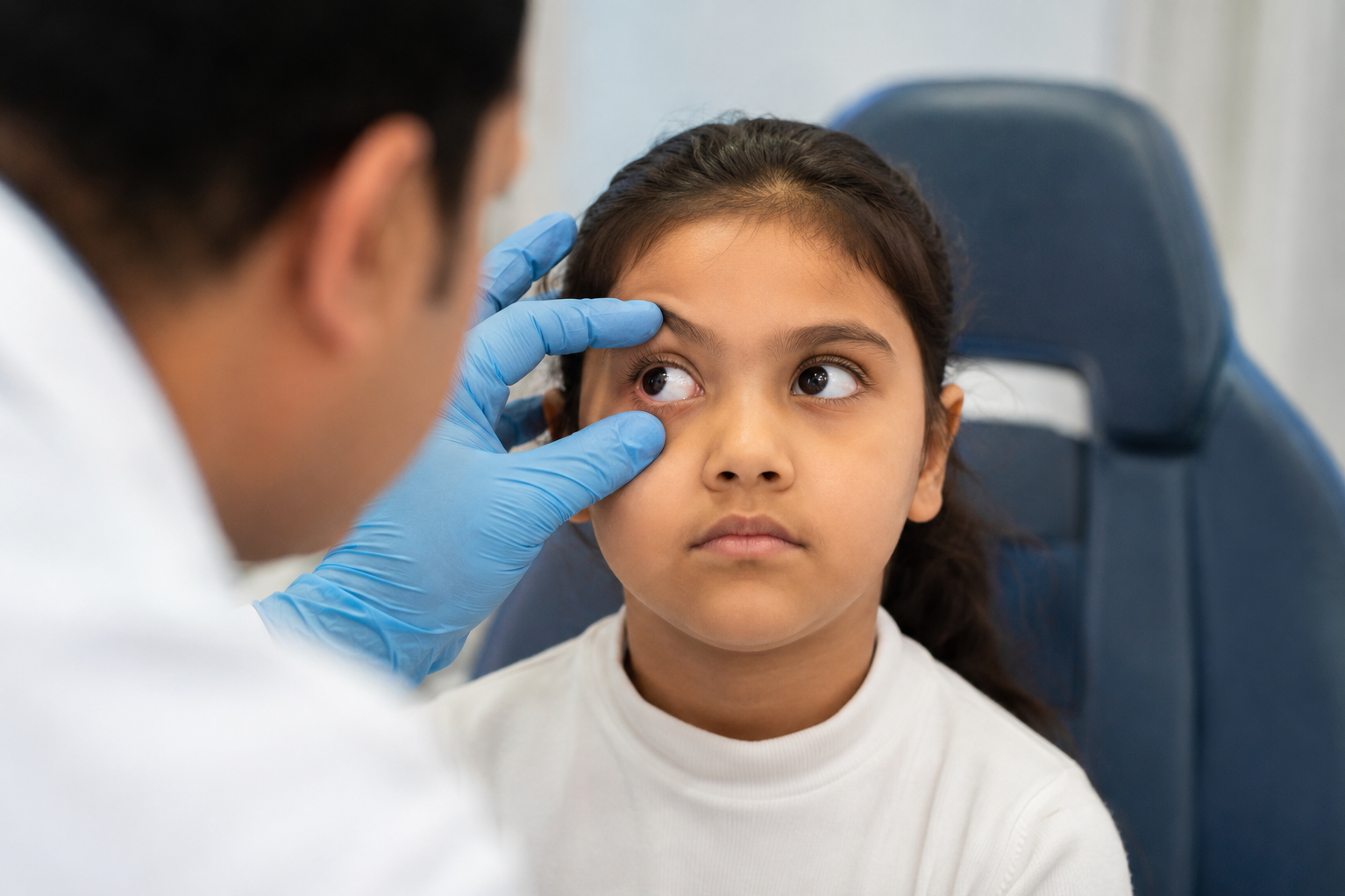
Squint, medically known as strabismus, is a condition in which the eyes do not align in the same direction. One eye may look straight ahead while the other turns inward, outward, upward, or downward. Although many people associate squint with childhood, it can affect individuals of any age. In some cases, the condition is present from birth, while in others it develops later because of nerve disorders, eye muscle problems, trauma, or certain medical conditions.
A squint is not only a cosmetic concern. Misaligned eyes can interfere with binocular vision, depth perception, and overall visual function. Children may develop reduced vision in one eye, while adults can experience double vision and difficulty performing everyday tasks. Understanding when squint correction surgery becomes necessary helps patients and families make informed decisions about treatment.
For residents of Peer Muchalla, early evaluation by an ophthalmologist can identify the cause of squint and determine whether surgery is the most suitable option or whether non-surgical treatment may be effective.
What Causes a Squint?
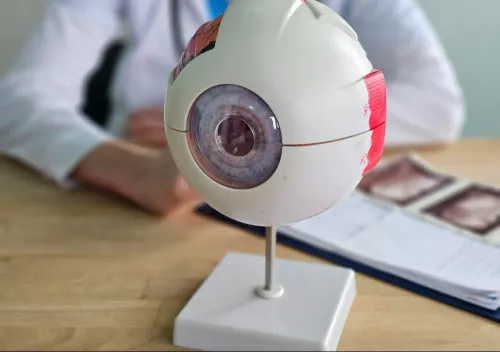
The eyes move with the help of six muscles attached to each eye. These muscles work together under the control of the brain to keep both eyes focused on the same object. A squint develops when these muscles do not work in proper coordination.
Common causes include:
- Congenital eye muscle imbalance
- Uncorrected refractive errors
- Weak vision in one eye (amblyopia)
- Neurological disorders
- Eye injuries
- Diabetes-related nerve damage in adults
- Thyroid eye disease
- Previous eye surgery in some cases
The underlying cause plays an important role in deciding the most appropriate treatment plan.
Signs That May Indicate a Squint
Some cases are easy to recognise because the eye visibly turns in a different direction. Others are intermittent and may only appear when a person is tired or focusing on distant objects.
Common signs include:
- One eye turning inward or outward
- Double vision
- Frequent head tilting
- Closing one eye in bright sunlight
- Difficulty judging distances
- Poor depth perception
- Eye strain while reading
- Children covering one eye while concentrating
Parents should pay attention to persistent eye misalignment, even if it seems mild, because early treatment often improves long-term visual development.
Is Surgery Always Necessary?
Not every patient with a squint requires surgery. The treatment depends on the age of the patient, the cause of the squint, the degree of eye misalignment, and overall eye health.
Non-surgical management may include:
- Prescription glasses
- Prism lenses
- Eye patching for amblyopia
- Vision therapy in selected cases
- Treatment of underlying neurological or medical conditions
When these approaches do not adequately correct eye alignment or when the squint is significant, surgery may be recommended.
When Is Squint Correction Surgery Considered?
An ophthalmologist may advise surgery when:
- Eye misalignment remains despite wearing glasses.
- Double vision interferes with daily activities.
- The squint is affecting binocular vision.
- Eye muscle imbalance is unlikely to improve without surgery.
- Cosmetic appearance is affecting confidence and social interaction.
- Children are at risk of permanent vision loss due to poor eye alignment.
The decision is based on a comprehensive assessment rather than appearance alone.
How Squint Correction Surgery Works
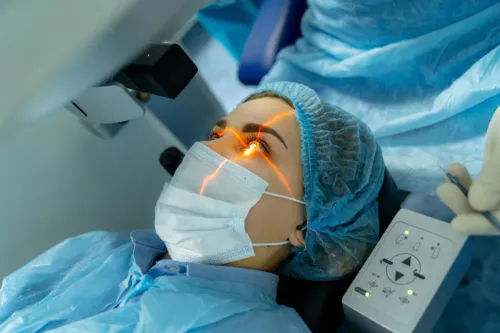
Squint surgery involves adjusting the eye muscles responsible for eye movement. Depending on the type of squint, the surgeon may strengthen, weaken, or reposition one or more eye muscles to improve alignment.
The procedure is usually performed under general anaesthesia in children and may be performed under general or local anaesthesia in adults, depending on the individual case.
The surgery does not involve removing the eye or replacing any part of it. Instead, it focuses on improving the balance between the eye muscles so that both eyes work together more effectively.
Recovery After Squint Surgery
Most patients return home on the same day or after a short observation period. Mild redness, irritation, and watering are common during the initial recovery phase and generally improve over time.
Recovery instructions often include:
- Use prescribed eye drops as directed.
- Avoid rubbing the eyes.
- Keep the eyes clean during healing.
- Avoid swimming until permitted by the ophthalmologist.
- Attend scheduled follow-up visits.
- Resume routine activities only after medical advice.
Some patients may still require glasses or additional vision therapy after surgery, depending on the underlying condition.
Questions to Discuss Before Choosing Surgery
Before proceeding with squint correction surgery, patients and parents should have a clear understanding of the treatment plan.
Helpful questions include:
- What is causing the squint?
- Is surgery the most appropriate treatment?
- Will glasses still be required after surgery?
- What level of eye alignment can be expected?
- How long is the recovery period?
- Will additional procedures or follow-up treatment be necessary?
Having realistic expectations supports informed decision-making and better long-term satisfaction.
Why Choosing an Experienced Eye Hospital Matters
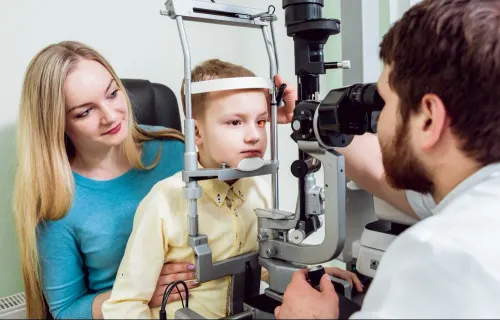
Squint correction requires detailed assessment of eye movements, binocular vision, and the health of the eye muscles. Careful diagnosis helps determine the most appropriate treatment approach and improves the likelihood of successful eye alignment.
For people in Peer Muchalla, specialised ophthalmic care provides access to comprehensive evaluation before recommending surgery. Every patient requires an individualised treatment plan based on their specific condition rather than a standard approach.
Netra Eye Hospital offers comprehensive squint evaluation and surgical management for both children and adults. Using modern diagnostic techniques and personalised treatment planning, the hospital focuses on improving eye alignment, supporting healthy visual function, and enhancing quality of life.
Early diagnosis remains one of the most important factors in successful squint management. Whether the condition develops during childhood or adulthood, seeking professional evaluation at the right time helps preserve vision, improve eye coordination, and support long-term visual health.